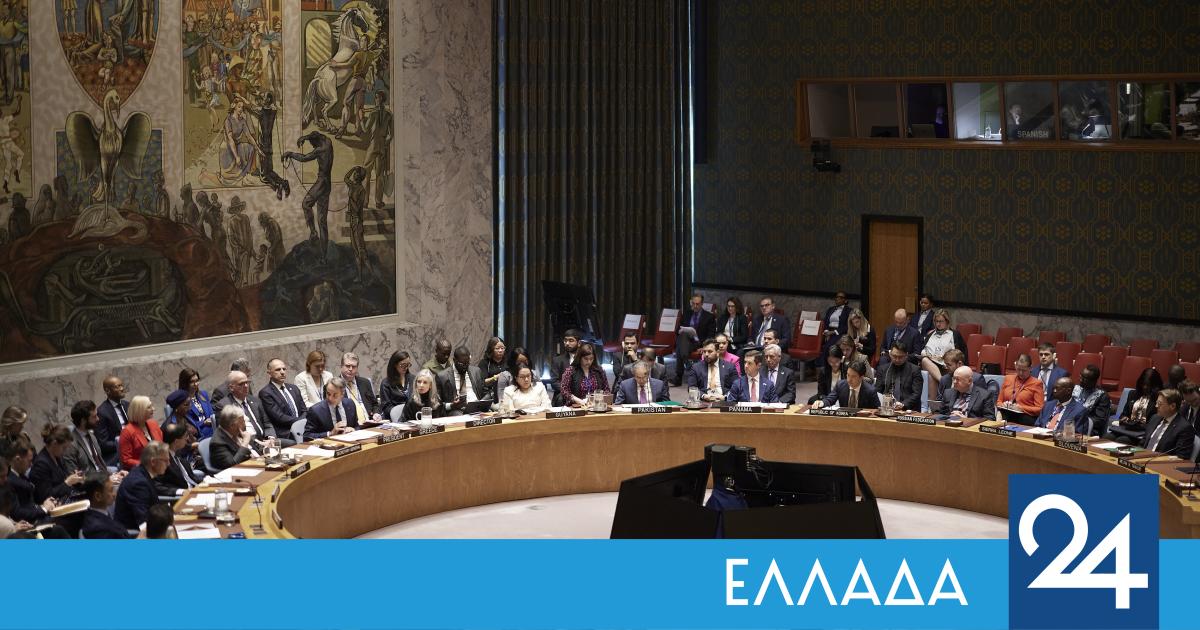
The situation in Lebanon is “deeply troubling,” Assistant Secretary-General Martha Pobbi told the UN Security Council’s Extraordinary Session, noting that Israeli ground forces are “advancing further north into Lebanese territory” while Hezbollah attacks are reaching “deeper into Israel.”
According to the briefing, Israeli Prime Minister Benjamin Netanyahu has ordered the Israel Defense Forces to “deepen and expand” its control over areas previously held by Hezbollah, while Israel has stepped up its air campaign in southern Lebanon, the Bekaa Valley and the outskirts of Beirut. Pobbi noted that Israeli evacuation warnings south of the Zahrani River effectively designate southern Lebanon as a ‘combat zone.”
UNIFIL, he said, has recorded “extensive military activity” and “widespread demolitions of buildings” near the Blue Line, and on 30 May recorded 992 Israeli missile trajectories, “the highest number since the cessation of hostilities took effect on 17 April”.
Meanwhile, Hezbollah has continued its attacks with rockets, anti-tank missiles and drones, including “increasingly lethal fibre-optic drones”. Pobbi noted that the group says it “will not disarm” in defiance of the Lebanese government’s intention to impose a “state monopoly on the use of force.”
The human cost is “devastating”: since 2 March, at least 3,412 people have been killed and more than 10,000 injured in Lebanon. Among the victims are “hundreds of civilians”, as well as women, children, journalists and health workers. Twenty-one members of the Lebanese Armed Forces, four Israeli civilians, 26 members of the Israel Defense Forces and six UNIFIL cyborgs have also been killed.
Poby warned that these developments constitute a “dangerous and worrying escalation”, undermining de-escalation efforts. It stressed that Israel’s presence north of the Blue Line is a “clear violation of Lebanon’s sovereignty and territorial integrity” and resolution 1701, calling for the withdrawal of Israeli forces south of the Blue Line.
At the same time, he stressed that Hezbollah and other non-state armed groups “must be disarmed”, as the possession and use of weapons outside state control is a “clear violation” of Resolutions 1559 and 1701. “The Lebanese Armed Forces is the only legitimate armed force in Lebanon,” he said.
The UN official called on all parties to “maximum restraint” and stressed that the ultimate goal remains “a lasting permanent ceasefire, to be respected by all sides.” He also called for the protection of civilians, civilian infrastructure, cultural heritage, and UN personnel and facilities.
The Permanent Representative of Greece, Ambassador Agnes Balta, in her statement stressed that the recent seizure of the strategically important Beaufort Castle constituted a dangerous further ground incursion into Lebanese territory and called for its reversal.
Balta called for an immediate cessation of hostilities and expressed her support for the continuation of direct political talks between Israel and Lebanon in Washington, D.C., with the aim of reaching a comprehensive ceasefire agreement.
He stressed that the protection of civilians and civilian infrastructure must remain a top priority and acknowledged the Lebanese government’s efforts to restore the state monopoly over arms and strengthen national institutions, while noting the need for swift international support.
Reiterated once again its call for the safety and protection of UNIFIL personnel, who continue to operate under extremely difficult conditions, and strongly condemned all attacks, threats and acts of intimidation against UN peacekeeping operations.