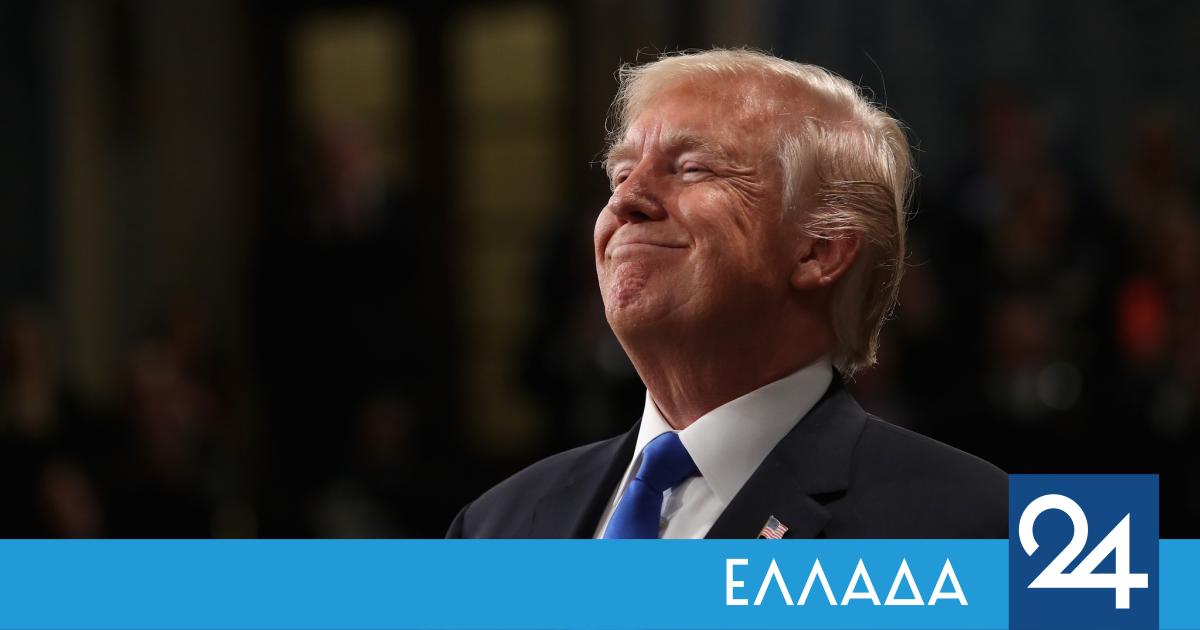
U.S. President Donald Trump has voluntarily withdrawn a $10 billion lawsuit he filed against the U.S. Internal Revenue Service (IRS), according to a court document filed today.
The reasons for the withdrawal have not been disclosed, nor whether the two sides reached a settlement.
Trump, along with two of his sons and their family business, had filed a lawsuit against the IRS in January, arguing that the agency should have taken more steps to prevent a former foreign associate from leaking their tax returns to the media during the president’s first term.
Trump has long argued that the US government was used as a “weapon” against him by political opponents, and has used the court system to seek revenge and damages after his return to the White House in January 2025.
This lawsuit concerned the leaking of tax returns to media outlets, including the New York Times and ProPublica, in 2019 and 2020 by former IRS partner Charles Littlejohn. The documents showed that for many years Trump paid little or no taxes, as the Times had reported in 2020.
Litzljohn was indicted by prosecutors in 2023 for leaking the tax records of Trump and thousands of other wealthy Americans, motivated by political reasons. He later pleaded guilty and was sentenced to five years in prison.
Trump filed the lawsuit as an ordinary citizen, not in his official capacity as president.
The litigation against the IRS has raised unprecedented legal questions about whether a president can sue his own government. Under the US Constitution, federal courts can only hear factual disputes between parties who have conflicting interests as to the outcome. US District Court Judge Kathleen Williams Williams of the US District Court in Miami, who was assigned to the case, said last month that it was not clear whether the two sides were “truly adverse to each other”. She had set a trial date of May 27 to hear their arguments and decide whether or not to dismiss the case.