The U.S. government announced yesterday (Thursday) that it is adding two powerful Brazilian gangs to its blacklist of “foreign terrorist organizations,” defying opposition from the Brazilian government.
These organizations, Comando Vermelho (CV, “Red Command”) and Primeiro Comando da Capital (PCC, “First Command of the Capital”), are among the “most violent criminal organizations in Brazil,” U.S. Secretary of State Marco Rubio said in a statement released by his State Department agencies.
“Together, they count thousands of members and have orchestrated brutal attacks against police officers, public officials and civilians,” the US diplomatic chief added, stressing that their influence extends “far beyond the borders of Brazil, throughout our region and even into our own country.”
The measure will take effect on June 5.
Republican President Donald Trump’s administration has blacklisted several Latin American gangs engaged primarily in drug trafficking as “terrorist” organizations; the move, in addition to implying a ban on their members from entering the US, as well as any financial dealings with them under penalty of sanctions and criminal prosecution, also means potential US military action against them.
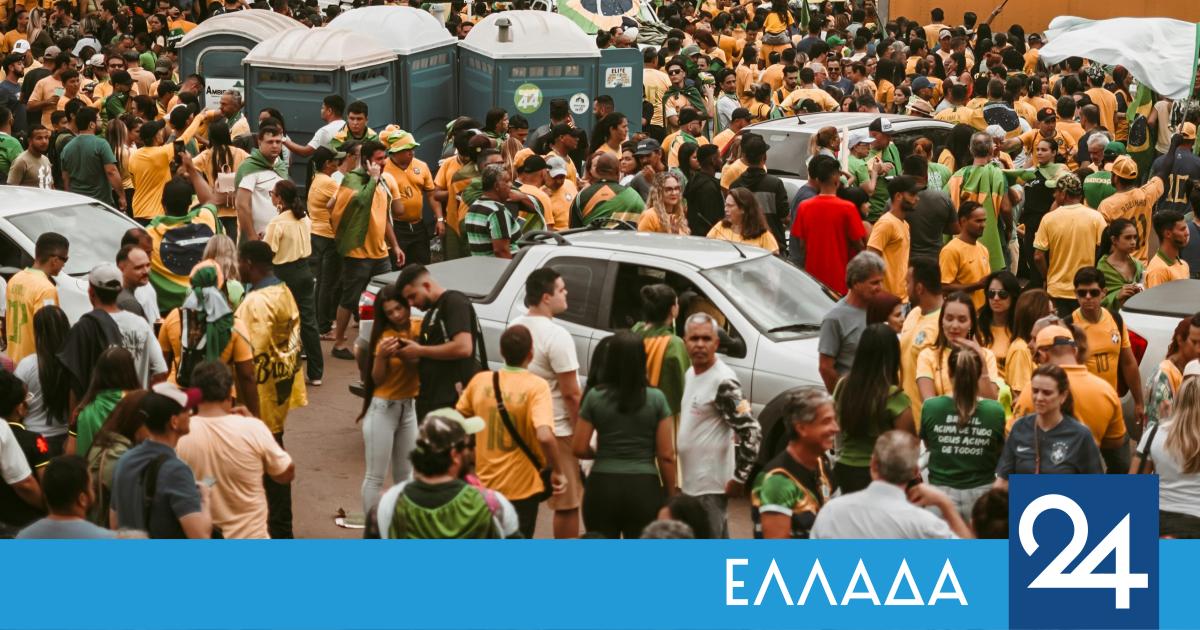
The announcement of the measure follows a visit by right-wing Brazilian presidential candidate Flavius Bolsonaro to the US capital. He asked the US president to declare the two gangs “terrorist” organisations at their meeting at the White House.
Both CV and PCC had formed inside Brazilian prisons.
Flavius Bolsonaru is the son of far-right former President Jorge Bolsonaru. The latter is currently in prison following the attempted coup in 2023. Polls have the right-wing candidate headed for a tough battle with the incumbent president, center-leftist Luis Inácio Lula da Silva — who was welcomed to the White House two weeks earlier by U.S. President Trump.
Brazil’s center-left government had expressed its opposition to designating the two gangs as terrorist organizations precisely because the move could potentially lead to U.S. military intervention on the territory of the giant Latin American country.