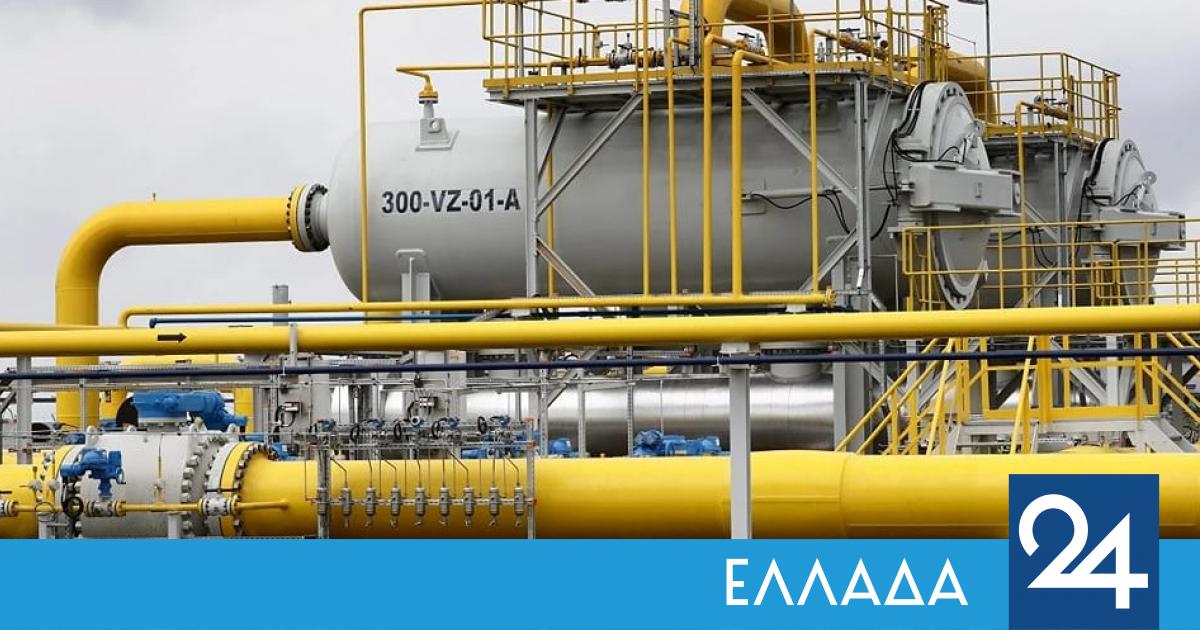
The destruction of gas demand now being recorded due to the war in Iran as governments implement mitigation measures risks becoming structural if the conflict continues, the head of the Gas Exporting Countries Forum said today.
Since the Middle East crisis began in late February, more than 500 million barrels of crude and condensate have been put off the global market, according to Kpler data — the biggest disruption to energy supply in modern history. Countries dependent on Gulf supplies have reacted by turning to coal and accelerating the transition to renewable energy.
Speaking at the Invest in African Energy conference in Paris, Philip Mshelbila — secretary general of the organization representing twelve countries that hold 70 percent of the identified gas reserves — said these measures are currently a short-term response to the crisis. “If the conflict ended today, the world would recover in six months to a year. But if it lasts six months, these reflexive changes we are seeing may become structural,” he said.
He said 2026 was supposed to be a defining year for the sector, with a tight global gas market turning to oversupply. “Clearly this conflict has done something to that, and it’s not yet clear whether it’s just a delay, or whether indeed that saturation will ever come,”
The Gulf crisis, a missed opportunity for Africa
Addressing an audience that included African energy ministers, Mselbila said African gas producers were missing an opportunity to step in and fill the supply gap caused by outages in the Middle East and the restriction of navigation through the Strait of Hormuz.
“Unfortunately, while some African countries have excess (production) capacity in both LNG (liquefied natural gas) and pipeline gas, the majority of them if not all are not producing at full capacity,” he said. “If you look at the export pipelines to Europe, from Algeria or even Libya, none of them are full.” As a result, North American producers are taking over European and Asian gas markets, Mselbila said.
“Normally in a crisis situation, this is an opportunity. Fill it up! You’ve captured the market! Unfortunately we are missing the opportunity because we don’t have the data to fill the infrastructure,” he said. “The reserves are there, but they are still in the ground.”