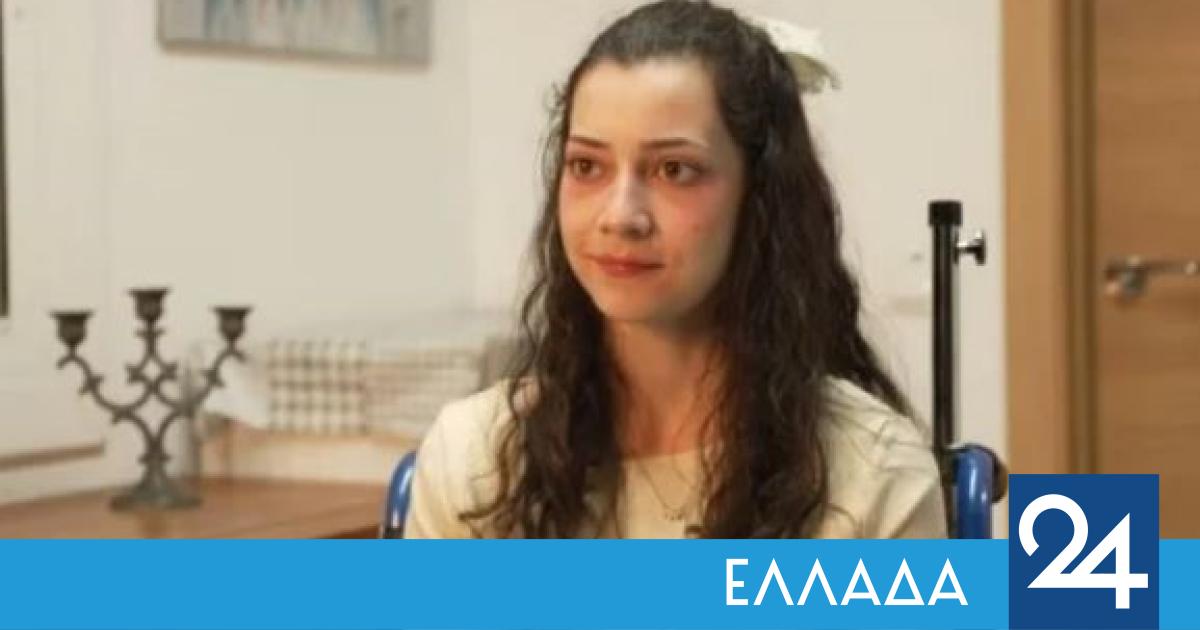
A young paraplegic woman was euthanized in Spain today after a two-year legal battle with her father, who disagreed with her decision, in a case that has reignited public debate on the issue.
Spain, a Catholic country with conservative morals, is one of the few in Europe to decriminalize euthanasia, in 2021, but under very strict conditions.
Noelia, 25, died early in the evening at a hospital in Sant Pere de Ribes, 40 kilometres from Barcelona, Spanish television and other media reported. In the previous hours, courts rejected her father’s latest appeals.
“I want to leave in peace now, to stop suffering,” she had said in her last interview, broadcast on Wednesday by television channel Antena 3. Noelia described a life of suffering, sexual abuse and a childhood under the tutelage of social services.
“I can’t take it anymore. I can’t take this family anymore, I can’t take the pain anymore,” he added, arguing that “the happiness of a father, a mother or a sister cannot count more than the happiness of a daughter.”
Her request to be euthanized was granted after a lengthy court battle with her father, who strongly disagreed. Noelia was left quadriplegic in 2022 when she jumped from the fifth floor of a building trying to end her life.
“We are not facing a case of euthanasia, but a case of assisted suicide,” argued the lawyer for the ultra-conservative association “Christian Lawyers”, Jose Maria Ferdantes, who represented the 25-year-old’s father.
Noelia had begun legal action to have her euthanized by April 2024. “No one in my family is in favour,” she said in the interview, saying she “wants to go peacefully” and not become an “example” for anyone.
The Catalan Safeguards and Valuation Commission ruled that Noelia’s request was in line with the law which states that any person of sound mind suffering from a “serious and incurable illness” or a “chronic condition that renders them disabled” can apply for assistance to die if they meet certain conditions.
Just days before Noelia’s euthanasia, scheduled for August 2024, the judiciary accepted the first appeal by her father who claimed his daughter’s mental state was “affecting her ability to make free and informed decisions”.
In March 2025, in a closed-door trial, Noelia reiterated her wish to die, and this February the Madrid Supreme Court rejected another appeal by the father.
Until hours before the euthanasia, appeals were being made to courts, including the European Court of Human Rights in Strasbourg, but the court refrained from ruling on the merits.
“To circumvent the law to do something like what the Christian Advocates are doing, which is to find a loophole to overturn the law, infuriates and worries us,” said Christina Valles, president of Right to Die with Dignity. That association has proposed amending the law to prevent this type of appeal from being perpetuated and to prevent third parties from interfering with a process that has already been approved.
“The truly humanitarian response to suffering is not to cause death but to offer proximity, appropriate care and full support,” the Spanish Synod of Bishops (CEE) denounced for its part.
Spain’s parliament approved in 2021 the law decriminalising euthanasia. By the end of 2024, 1,123 people had been euthanized, according to data available from the health ministry.