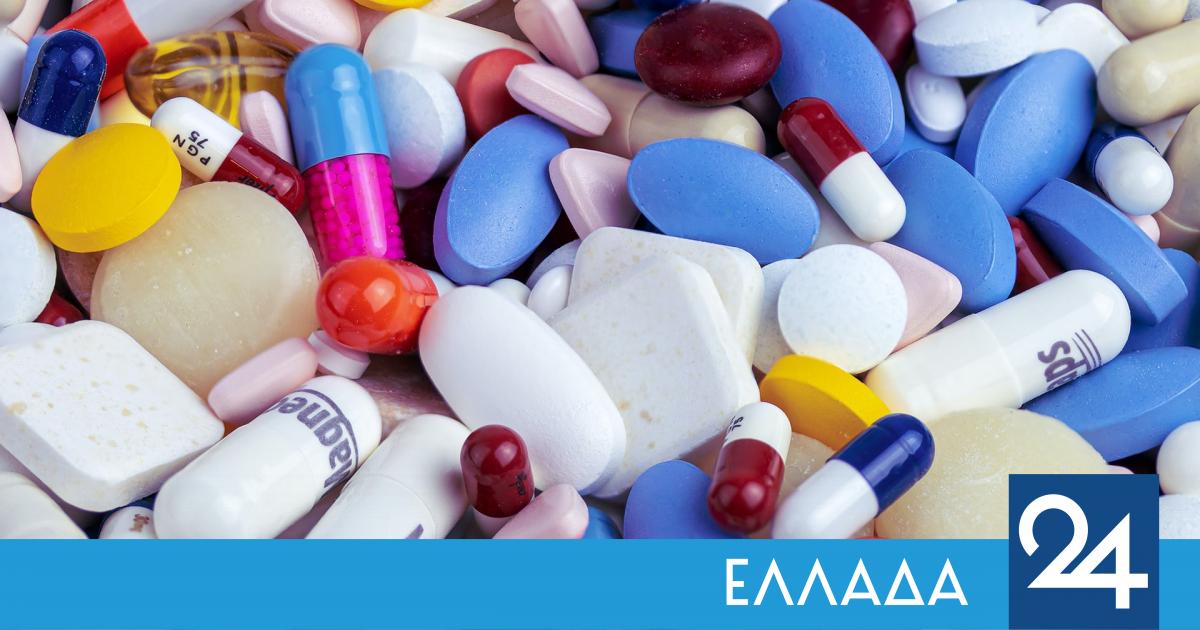
The war in the Middle East is disrupting the flow of critical medicines to Gulf countries by compromising supply routes for cancer drugs and other treatments that require refrigerated preservation and forcing companies to reroute flights and seek overland access to the region, industry executives say.
The conflict, which was triggered by US-Israeli attacks on Iran two weeks ago and expanded after Iranian strikes across the region, has blocked major air transport hubs and closed sea routes, preventing the movement of goods and products ranging from medicines to food and oil.
Although there is no evidence of significant shortages so far, that could change if the war continues, some officials say. Gulf countries are heavily dependent on imports and some medicines have a short expiry date and necessarily need to be kept in refrigeration, making it less practical to transport them by time-consuming ground transport.
Executives from Western pharmaceutical companies say they are looking at alternative routes to Gulf countries and trucking some drugs overland from airports such as Jeddah and Riyadh to Saudi Arabia. Other options include Istanbul and Oman.
Major airports in the region, including Dubai, Abu Dhabi and Doha, have been closed due to Iranian strikes in retaliation for US and Israeli attacks.
Dubai and Doha are major freight hubs linking Europe to Asia and Africa with Emirates and Etihad airlines and freight forwarders such as DHL handling temperature-sensitive medicines.
Walter Devulff, a professor at the Antwerp School of Management, cited industry figures showing that more than a fifth of the world’s air cargo is exposed to the problems caused by the war in the Middle East.
An executive warned that alternative “cold chain corridors” or temperature-controlled routes used for sensitive medicines cannot be set up overnight and are not always available.
Another executive at a medical device company, who also spoke on condition of anonymity, said that shipments from Europe and Asia that are normally transported through Dubai and Doha airports are being rerouted through China or Singapore.
Sea routes are not practical due to the longer travel time as well as the closure of the important Strait of Hormuz by Iran.
“If you have an emergency operation with a patient awaiting treatment, you have to choose the fastest mode of transport,”
the same source commented.
HOSPITALS’ SUPPLIES RISK TO BE EXPENDED WITHIN WEEKS
Prasad Yadav, assistant professor for global health at the Council on Foreign Relations, said that stock lasts for a short time on shelves, temperature-sensitive and more expensive drugs usually have a three-month shelf life, and cancer drugs–mainly monoclonal antibodies–are the ones most at risk.
Delays in the delivery of oncology drugs can have dire consequences for patients, who may have to start their treatment all over again or their cancer may worsen.
Already the war has caused problems for some companies, Yadav points out, with some customers warning that their portfolios risk running out within four or six weeks if the situation does not improve.
The risks to the pharmaceutical industry will increase if the war-related problems continue, industry executives warn, as supplies in the Gulf countries and Asia run out.
The transport problems may also affect products that pose an immediate risk to drug supplies, including shortages of vial stoppers, plastic serum packs and items needed for packaging.
“It’s not always a shortage of the drug itself,” explains David Weeks, who monitors the supply chain industry for ratings agency Moody’s.
“In some cases, it’s the little stopper in the vial where the medicine is taken from,” he concludes.