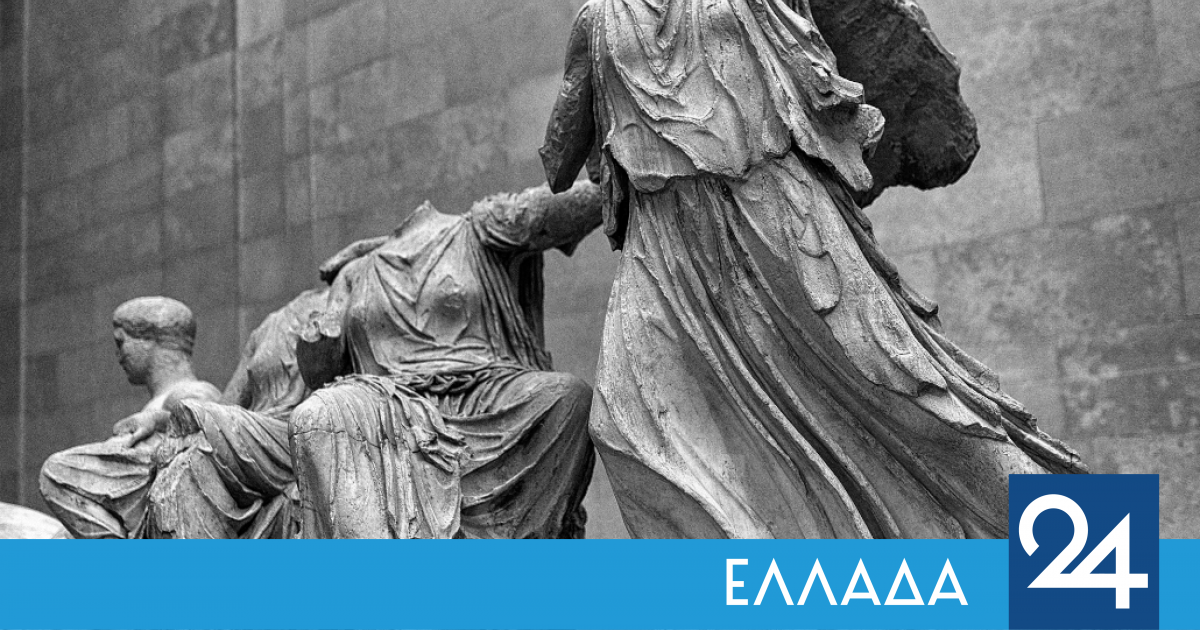
The French online newspaper “Le Petit Journal” returns to the issue of the return of the Parthenon Sculptures to Greece, with particular emphasis on the latest developments surrounding the issue.
In an article entitled “UNESCO reopens the issue of the return of the Parthenon Marbles to Greece”, the decision taken recently in Paris by the competent intergovernmental commission of UNESCO on the return of cultural property is highlighted. The committee called on Greece and the United Kingdom to effectively restart the dialogue on the sculptures.
According to the report, the new UNESCO intervention strengthens the position of Athens, which has for decades been calling for the definitive return of parts of the Parthenon removed in the early 19th century by Lord Elgin during the Ottoman rule in Greece.
At the same time, it is stressed that the Greek side reiterated before UNESCO that there is no official Ottoman document proving the legality of the transfer of the Marbles to London. Moreover, it claims that the Sculptures are a single and indivisible part of the Acropolis monument.
On the other hand, the United Kingdom maintained its familiar position, arguing that the acquisition of the Sculptures was legal, while also citing the British legal framework, which does not allow for the permanent removal of objects from national collections.
Le Petit Journal also notes that the international climate appears to be increasingly in favour of the Greek claim. Several member countries of the UNESCO commission, including Italy, Brazil, Egypt and China, have expressed their support for Greece, while Turkey has also questioned the existence of the Ottoman document cited by the British side.
The publication also underlines that the issue is no longer limited to the relations between Greece and the UK, but is linked to the international debate on the return of cultural treasures acquired during the colonial era. UNESCO sees the case as an important transnational issue concerning the world’s cultural heritage as a whole.
Finally, it is noted that despite the current impasse in the Athens-London talks, UNESCO’s renewed intervention may give new impetus to negotiations on one of the most notorious cultural disputes internationally.