One person was killed today by shrapnel from a missile intercepted in Abu Dhabi, United Arab Emirates, authorities said on the 18th day of the war in Iran, with Tehran continuing to strike targets in Gulf countries in retaliation for US-Israeli attacks on Iranian territory.
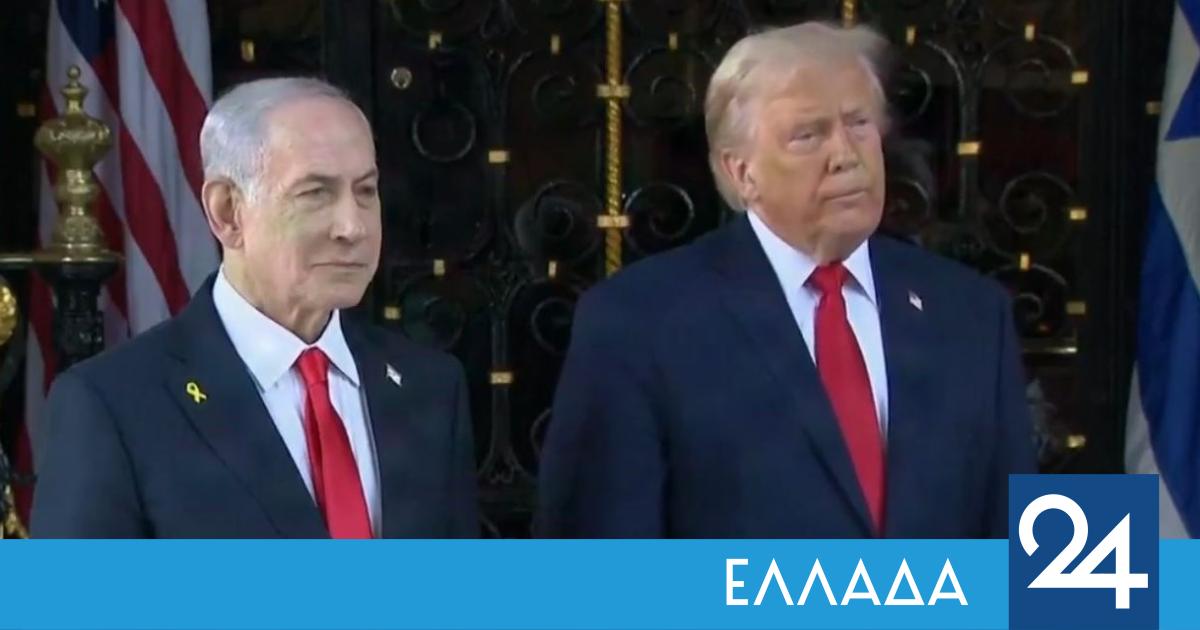
For his part, US President Donald Trump said yesterday Monday that he did not expect Iran to target its neighbours.
“The falling of debris in the Bani Yas district after an anti-aircraft defence intercepted a ballistic missile caused the death of a Pakistani civilian,” Abu Dhabi authorities pointed out to X.
Yesterday, a Palestinian was killed on the outskirts of the Emirati capital when a missile hit his vehicle.
A total of eight people have been killed in the country since the war began on February 28, including six civilians and two military personnel who died in a helicopter crash.
In addition, the Fujira oil industrial zone was again targeted by drones today, resulting in a fire that broke out with no casualties.
“The Emirati civil protection teams immediately intervened on the spot and are continuing their efforts to bring the situation under control,” authorities pointed out to X.
“The Emirati civil protection teams immediately intervened on the spot and are continuing their efforts to bring the situation under control,” authorities told X.
Fujira Port, located in the Gulf of Oman just outside the Strait of Hormuz, exports around 1 million barrels of crude oil from the Emirate’s Murban region every day, a volume that represents about 1% of global demand.
The facility had already been hit by a drone on Monday, forcing the emirates’ national oil company Adnoc to suspend crude loading operations, Reuters and AFP sources had pointed out.
In Dubai, the emirates’ most populous city, several explosions were heard this morning and the country’s defence ministry said it had intercepted a rocket attack.
Explosions were also heard today in Doha, the capital of neighboring Qatar.
“No one expected it”
Trump said yesterday that Iran’s strikes against Gulf countries – Qatar, Saudi Arabia, the United Arab Emirates, Bahrain and Kuwait – came as a surprise.
“They shouldn’t turn on all these other countries in the Middle East,” he noted. “Nobody expected this. We were shocked,” he added.
However, a US official and two sources with knowledge of the US intelligence briefings stressed that Trump had received warnings that Iran could launch strikes against Gulf countries in retaliation for the attack on him.
The US official, who wished to remain anonymous, noted that Trump was informed before the war broke out that if Iran was hit, it could trigger a wider conflict in the region that would include Iranian retaliation against Gulf countries. Especially if Tehran saw those countries as actively endorsing or supporting US attacks. Trump was also told before the operation that Tehran would likely seek to close the economically vital Strait of Hormuz, according to two other sources familiar with the matter.