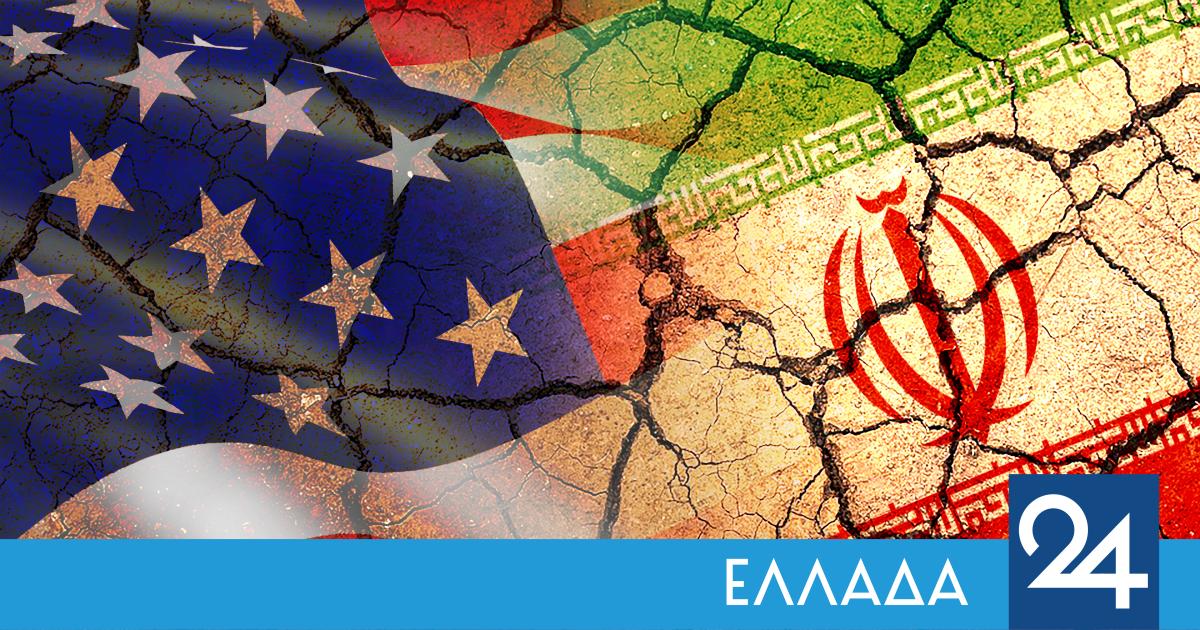
Setting its own terms for a ceasefire in response to the US “15-point plan”, Iran appears to believe it is in an advantageous position to negotiate, nearly four weeks after the war began, analysts say.
Despite the US-Israeli strikes that killed its main leaders and caused massive material damage to its territory, Iran’s system of governance has not collapsed and the country retains the ability to launch missiles and drones against its neighbours and Israel. Most importantly, it is demonstrating its ability to halt shipping in the Strait of Hormuz, sending the price of oil and gas skyrocketing.
Iranian leaders are “currently regaining their confidence, in some respects,” observed Ross Harrison, an Iran expert who works for the Middle East Institute.
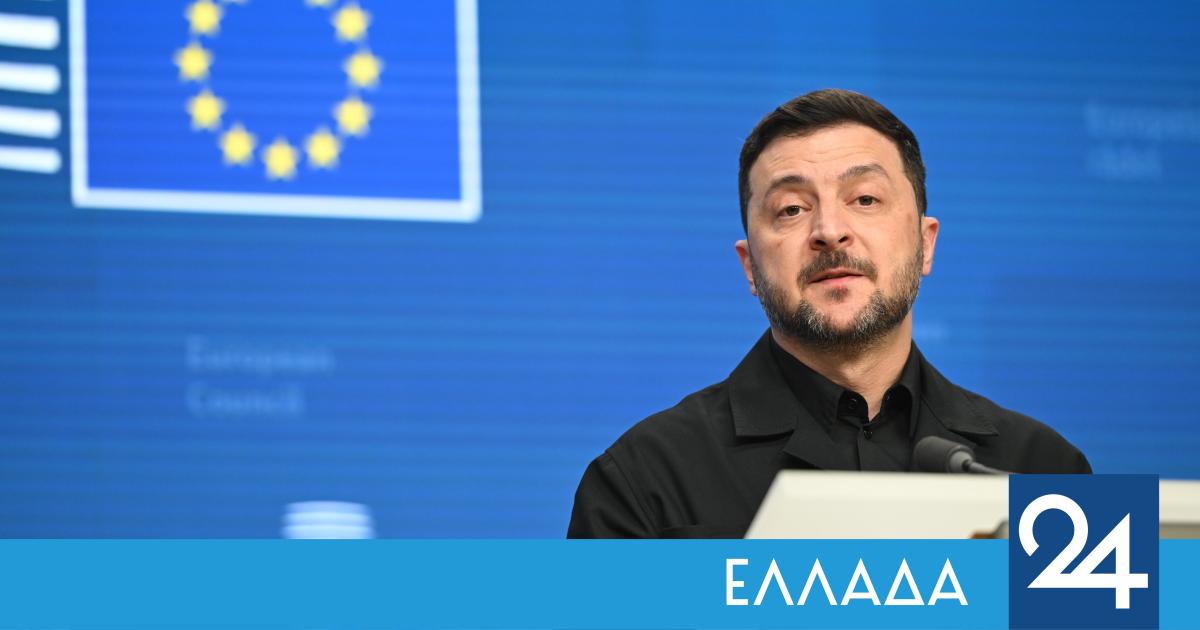
To Donald Trump’s announcement on Monday of “very good talks” with Tehran, the Iranian leadership responded with a denial and mockery of a US president “negotiating with himself”. Iran does not intend to talk but “continues to resist” and “will end the war on its own terms,” Foreign Minister Abbas Araghchi said.
For the Americans, “talking about negotiations now is tantamount to admitting defeat,” he added.
Nevertheless, talks were held behind the scenes, mediated by third countries and, according to Iran’s Tasnim Agency, citing an unnamed source, Tehran responded to the 15-point proposal, which it received through Pakistan. In turn, it set five conditions for ending hostilities and is now awaiting the “response” from the other side.
In recent weeks, Tehran has promoted “hardliners” to its new leadership, such as the new supreme leader Mojtaba Khamenei, who is pro-conservative, mainly because of his ties to the Revolutionary Guards, the ideological army of the Islamic Republic.
Given their utter contempt for Trump, who twice halted negotiations to bomb Iran, Iranian leaders are seeking to find a method of deterrence “so that this doesn’t happen again within six months or a year or two,” the analyst explained.
The strategy consists of putting the US and the global economy as a whole “to a significant test” so that Washington or Israel will think twice before striking Iran again.
The tactic “is much simpler than that of the Americans: it’s about the survival of the regime,” Harrison said.
Tehran appears to have won some points after Trump moved from demanding “unconditional surrender” to a negotiating proposal aimed at silencing the weapons, said Guillaume Lashkonzaria, a Middle East expert at the Sorbonne.
“In negotiations, the one who will be the first to extend his hand is, apparently, in a weaker position. Undoubtedly, appearances are deceiving because Iran is very weakened,” he said. That explains the threatening tone to which Tarb reverted today, demanding that Iran “get serious before it is too late.”
“Iranian negotiators are very different and strange,” he wrote in a post on the Truth Social platform.
A few hours later, US special envoy Steve Whitcoff was nonetheless asserting that there were “strong indications” of a deal with Iran.
For Robert Pape, an expert on political science and military issues at the University of Chicago, the talks are nothing more than a smokescreen: Washington is deploying thousands of paratroopers and Marines to the Gulf in preparation for a possible ground attack.
“If you want to understand where this war is headed, ignore what is being said and see what is moving,” he wrote on his Substack page.
.