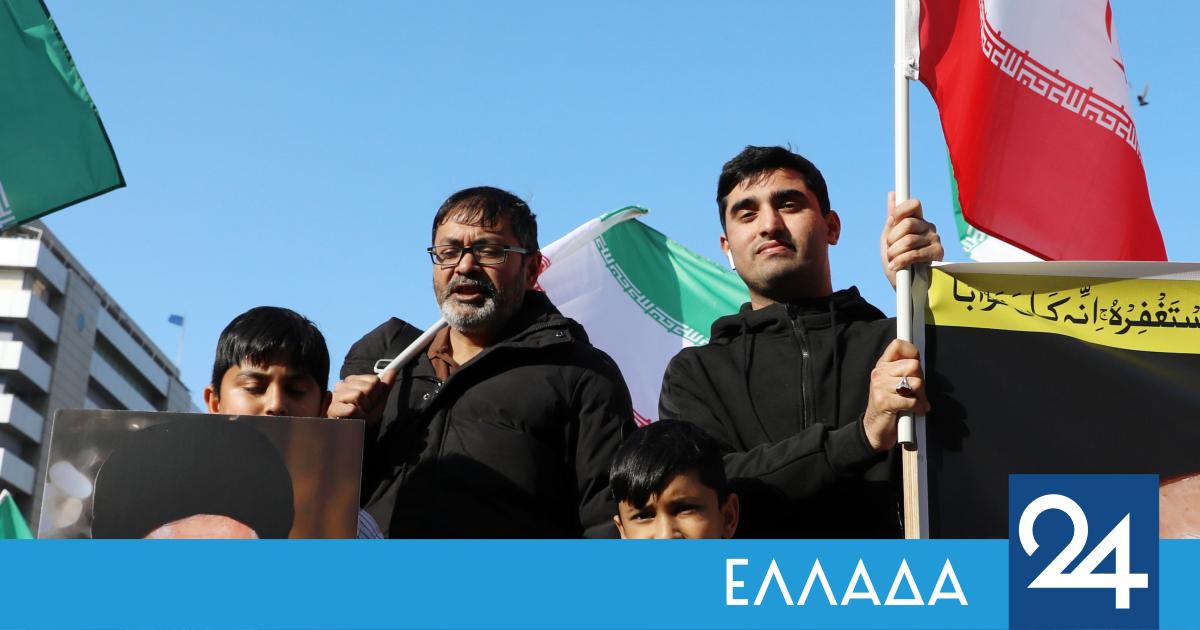
A total of 21 people were executed, and more than 4.000 have been arrested in Iran for political reasons or on the grounds of national security since the war in the Middle East began, the United Nations High Commissioner for Human Rights announced yesterday (Wednesday).
Since the war began with the US-Israeli bombing of the Islamic Republic on February 28, “at least nine people have been executed for cases related to the January protests”, another “ten for allegedly belonging to opposition organisations” and “two for espionage”, the UN agency said in a statement.
The UNHCR also noted that more than 4,000 people were arrested during the same period and charged with “national security-related charges.”
“Many of the detainees were victims of enforced disappearances, torture and other forms of cruel, inhuman and degrading treatment”, and “confessions were extracted from them—some of which were televised–and they were subjected to mock executions”.
“I am horrified to find that, on top of the already very serious consequences of the war, the Iranian authorities are depriving the Iranian people of their rights in a cruel and barbaric manner,” High Commissioner Volker Turk commented, according to the statement.
Mr. Turk called on “the authorities to suspend all further executions, implement a moratorium on the death penalty, fully guarantee respect for the rights to defence and to a fair trial, and immediately release all those who have been arbitrarily arrested.”
According to the High Commissioner, many of those arrested, including children, are at risk of receiving the death penalty “under Iran’s overly broad and vague definition of crimes against national security”.
Accused are often tried summarily and denied access to a lawyer of their choice, he also noted, referring to “dozens of prisoners who have been transferred to unknown places” of detention, such as human rights lawyer Nasrin Sotundeh, who has been awarded the Sakharov Prize.
Mr Turk also criticised the “appalling” conditions in Iranian prisons, citing overcrowding of inmates and “severe shortages of food, water, sanitary products and medicines”
In Sabahar Prison (southeast) on March 18, prisoners protesting the prolonged ration cut-off suffered deadly violence, according to the UNHCR.
“Security forces killed at least five (detainees) and injured (others) 21 in clashes with protesters. Two more detainees died in custody in another prison and there are indications that they were tortured,”
the same source said.
According to non-governmental organizations, notably Amnesty International, Iran ranks second in the world for capital punishment, behind only China.