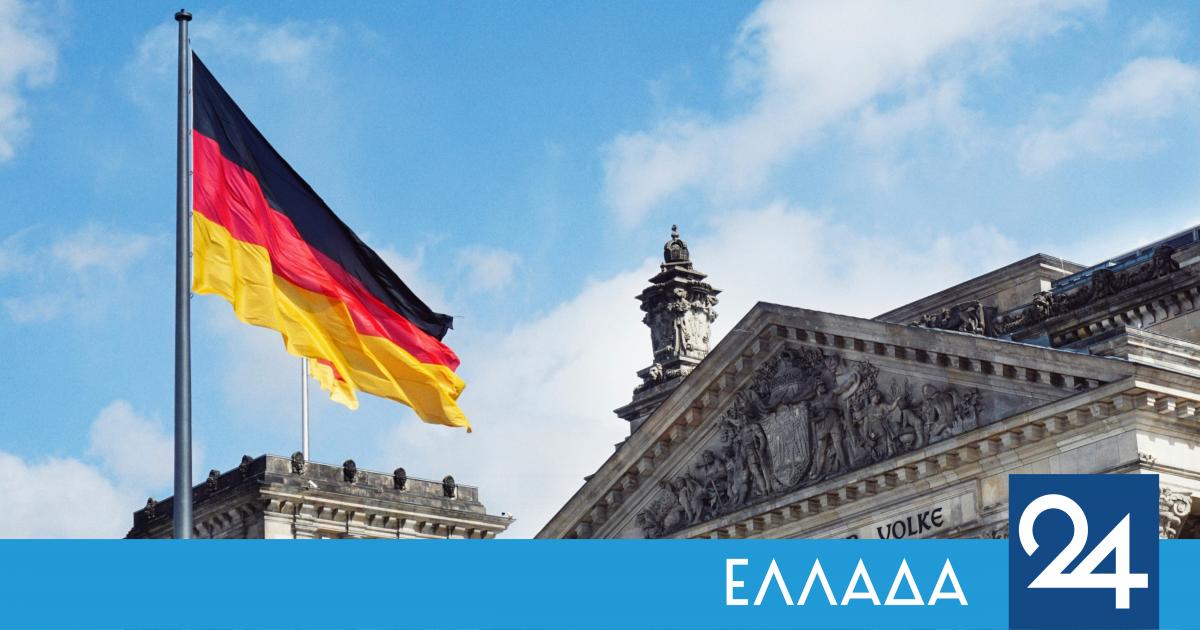
“Germany will not get involved in the Middle East, there is no plan or mandate for that,” Chancellor Friedrich Murch said, reiterating that Washington had not previously consulted the German government or indicated that European aid would be necessary. He clarified, however, that Berlin shared the goal that Iran should not be allowed to pose a threat in the future and would not refuse its contribution to guarantee security in the region after the war.
“We have made it clear that we have questions about this war. At present there is no convincing idea of how it can be ended. Washington did not consult us and did not say that European assistance would be necessary. If that had happened, we would have advised against the course we are now following,” the Chancellor said from the Bundestag podium in his customary statement ahead of the European Council, while stressing that Germany does not want this war to burden the transatlantic relationship. “We share important goals with the US, but we cannot and will not hesitate to say so when we have different interests. A partnership should be able to withstand that, otherwise it is not a partnership,” he said.
Europe has an interest in a quick end to the war, he noted, warning of the danger from a possible disintegration of Iran’s statehood. This would have consequences for Germany’s energy security and could lead to a migration crisis. For the German government, however, the Chancellor explained, it is clear that “Tehran must give up its nuclear ambitions, just as it must give up the terrorism it is spreading around the world.”
Friedrich Merz said, however, that Europe, while opposed to what is happening, cannot look the other way and wait for the storm to pass. “We must have the courage to define and pursue our interests together with our European partners,” he said, reiterating that responsibility for the current crisis in the Middle East lies with Tehran.
“In this world we live in, peace and freedom, the rule of law and democracy are more important than many of us thought at the beginning of our political careers,” he continued. Merts and spoke of a narrowing margin for action in light of the new power dynamics in the world. But Europe, he stressed, has great potential power, “but we must also use it.” A united Europe is the most important guarantee we have for our security, he said, recalling Europe’s population superiority over the United States. “And they depend on us, not just us on them,” he said.
Referring to the theme of the upcoming EU summit, competitiveness, he called for “policies that create room for manoeuvre” and opportunities for trade and industry and stressed that “what we don’t need, in terms of regulation, should be removed”. He even criticised excessive regulation in the EU, including in the field of artificial intelligence.