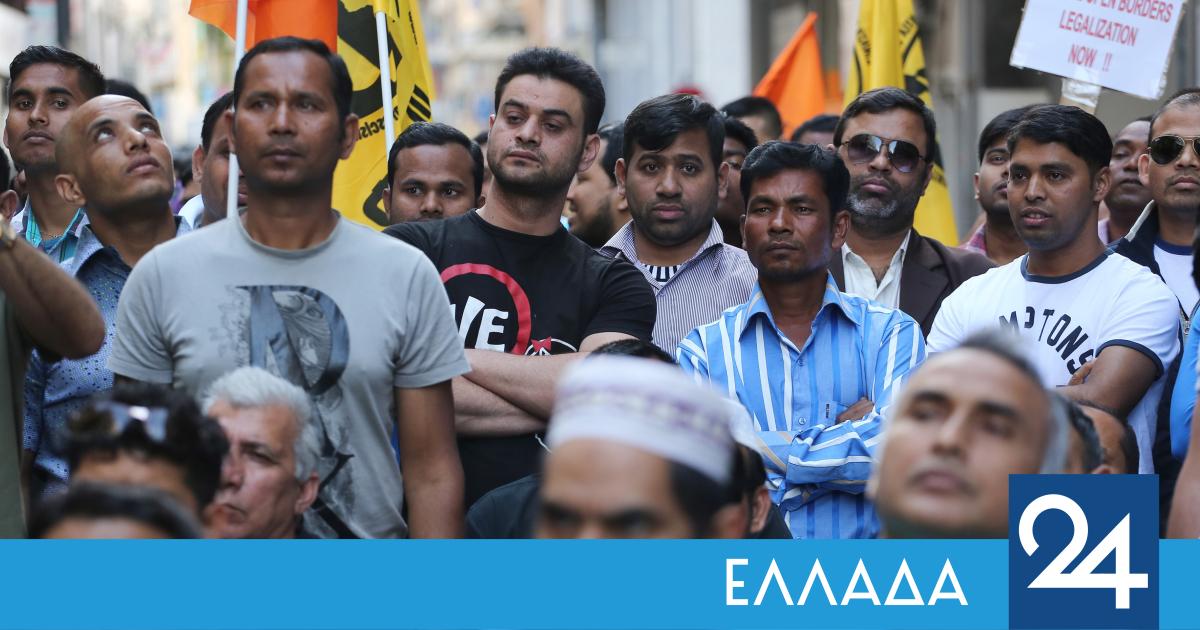
A political agreement on a new regulation on the return of migrants who do not have the right to stay legally in the EU was reached late last night by the European Parliament and the EU Council, paving the way for the creation of return hubs in non-EU countries.
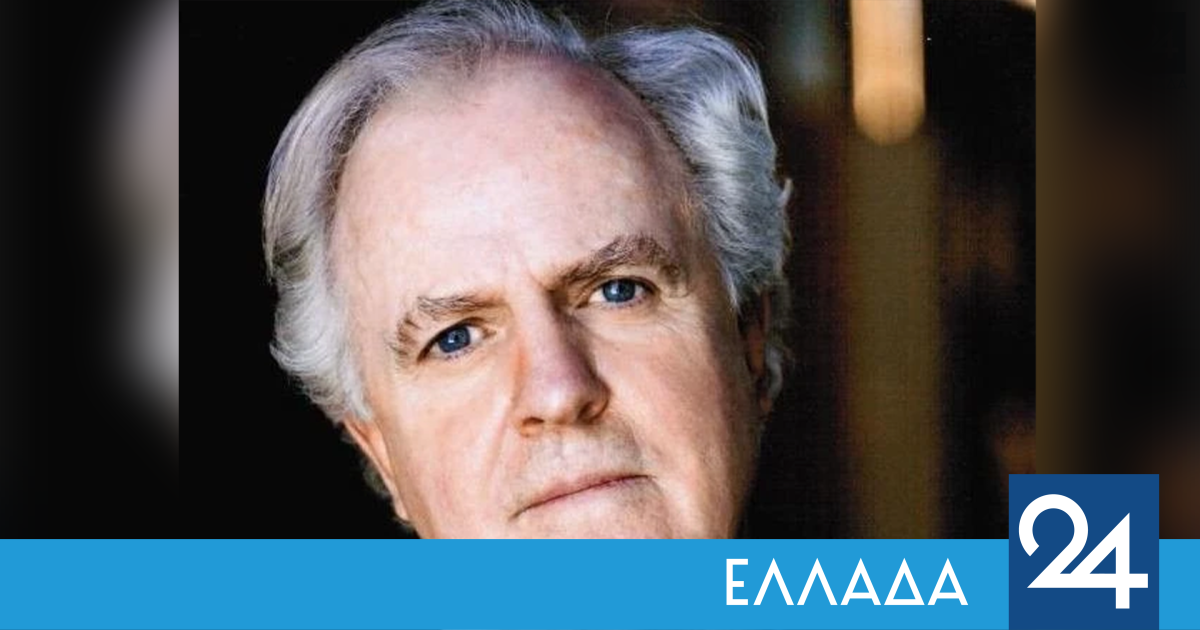
Immigration Commissioner Magnus Bruner welcomed the agreement, saying via X that “the new return rules mark an important step in the reform of the European migration management system, because with these rules, we now have more control over who can come to the EU, who can stay and who has to leave.”
Reform of the return rules is one of the key elements of the new EU Pact on Immigration and Asylum, adopted in 2024.
Although the return rate has increased to 28% in 2025 — the highest return rate in the last 10 years — the number of actual returns is still very low.
According to the European Commission, the new regulation will give member states the necessary tools for more efficient returns, with faster, simpler and more effective procedures and with full respect for fundamental rights. The Commission underlines that, together with Member States, it continues to work with third countries to increase returns through incentives such as readmission instruments, financial instruments, visas and trade policy in the context of the EU’s migration diplomacy towards third countries.
In particular, the new common rules on returns include:
A new European system, with common procedures for issuing return decisions and mutual recognition. The so-called “European Return Order” (ERO) – a single document in which the basic elements of each return decision will be recorded. The aim is to facilitate the exchange of information and to speed up the recognition and execution of decisions issued by other Member States. Mutual recognition of return decisions will remain optional for the time being and will be reassessed three years after the entry into force of the Regulation, when the Commission may make a legislative proposal to make mutual recognition mandatory.
Stronger rules on forced return, which becomes mandatory when an illegally staying person is a security risk, does not cooperate, flees to another member state or does not leave the EU voluntarily within the set time limit. At the same time, the Regulation encourages voluntary return through enhanced return and reintegration assistance.
Stronger rules against absconding, including the possibility to require returnees to provide financial guarantees, to appear regularly or to reside in a designated place.
For those who pose a security risk, the new regulation provides for stricter measures so that they can be identified and returned more quickly. For example, Member States can issue an entry ban exceeding the usual maximum period of ten years or even an indefinite ban for security cases, and can also impose detention for up to two years.
Return centres in third countries
The regulation also introduces the possibility of creating return hubs in third countries, where people without a legal right to stay in the EU can be returned. To this end, agreements or arrangements may be concluded with a third country that respects international standards and human rights principles in accordance with international law, including the principle of non-refoulement. Safeguards are also introduced to ensure respect for fundamental and international human rights standards throughout the return process.
Third country return centres could serve either as a final destination or as transfer centres facilitating further return to the country of origin or another third country.
The next steps
The regulation must be formally adopted by the European Parliament and the Council. It will apply immediately after the date of entry into force, i.e. the day after its publication in the Official Journal. However, certain provisions will enter into force 12 months later.
The regulation replaces the current Returns Directive from 2008.
Reactions
The possibility of creating return hubs in third countries is among the most controversial elements of the reform, as human rights organisations have raised concerns about safeguards to protect migrants, although the EU maintains that the new framework will be implemented in full respect of international and European law.
The Green Group in the European Parliament calls the agreement “shameful” as it violates the fundamental rights of migrants, while the legalisation of return hubs outside the EU gives the green light to the detention of minors and lifetime bans on entry without serious legal grounds.