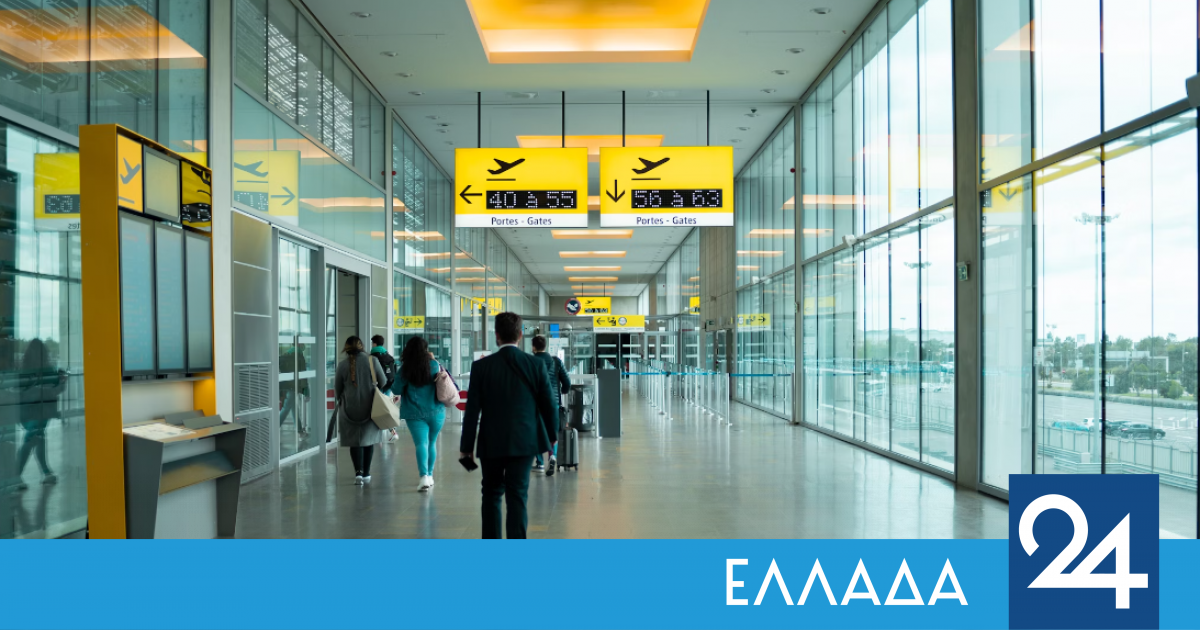
The European Union’s new “smart” border system, known as the Entry Exit System (EES), has caused significant disruption, with travellers facing long delays, queues of up to three hours and in several cases missing flights.
The EES, which will be phased in from October 2025 and is now fully operational in the Schengen area states, has brought increased border controls, but crossing is not without its problems. Many passengers are reportedly facing technical glitches, such as failure to recognise fingerprints, malfunctioning machines and incomplete instructions for use.
The result is that procedures are repeated at different stages of the journey without clear guidance from staff. A report in The Guardian documents cases of passengers who have suffered serious financial loss, such as British man Dave Giles, who had to pay over £2,000 for new tickets, accommodation and transport.
The situation is further exacerbated by staff shortages and poorly functioning automated systems, raising concerns about the smooth running of travel within Europe.
Despite the problems, there has been some improvement compared to the first months of the system’s implementation. However, delays have not been eliminated, particularly at peak times or at major European airports where the infrastructure is not yet fully adapted to the new requirements.