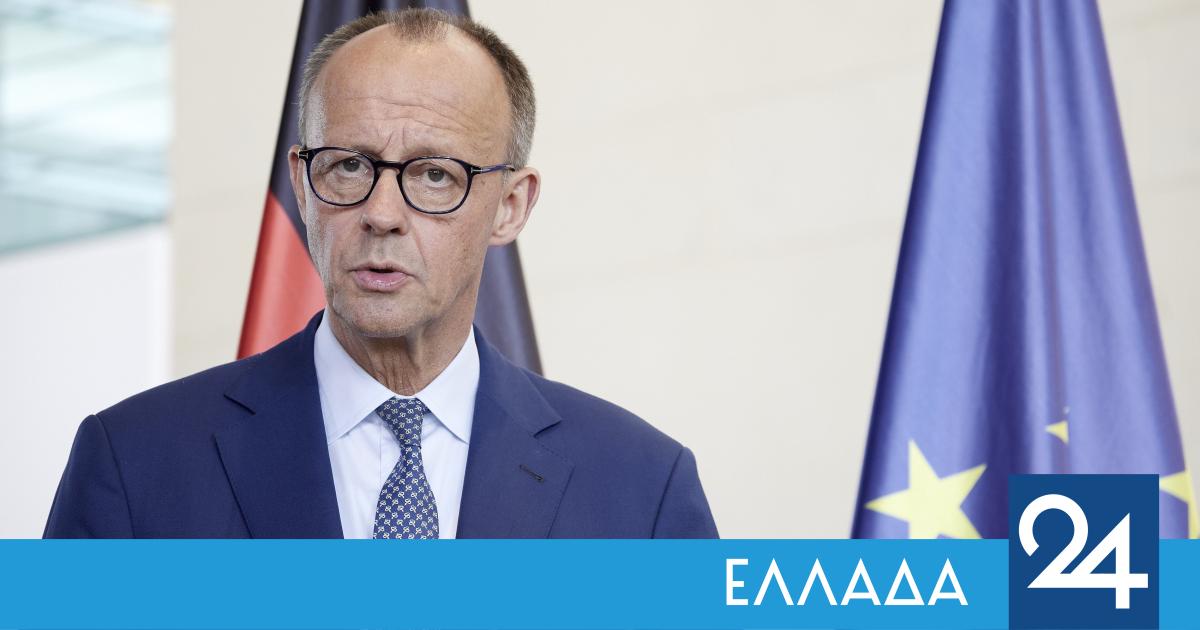
Chancellor Friedrich Murch was critical of US President Donald Trump and sceptical about the effectiveness of US and Israeli actions in Iran, saying that the US-Israeli attack will not lead to regime change.
“What Trump is doing at the moment is not de-escalation and an attempt to reach a peaceful solution, but rather a massive escalation with an uncertain outcome, which threatens everyone,” “Is regime change really the goal? If that is the goal, I don’t believe they will achieve it. That usually doesn’t go well,” the Chancellor said, referring to Donald Trump’s statements about Germany’s insufficient support for the security of the Strait of Hormuz: “Of course, the consequences of this war are consequences that we have to suffer, very directly, and the threats of the Iranian leadership are serious threats from which we have to protect ourselves.”
Friedrich Merts also said that during a recent phone call with the US president, he responded directly to his criticism: “I told him, if you want us to help, then please ask us in advance and not afterwards through the newspapers. Such behaviour is behaviour that we simply cannot accept. We will not allow it.” However, according to the Chancellor, Donald Trump has accepted that NATO is not involved in the fighting. The US president has said several times that he does not need NATO, Merts noted, but he offered support for the post-Iran war period. “We can do that,” he said of a possible deployment of the Bundeswehr e.g. to remove mines from the Straits of Hormuz – subject to a mandate from the UN, NATO or the EU, as well as the Bundestag. For now, the discussion on this issue is “rather theoretical,” the Chancellor noted, and declined to attempt a prediction on the end of the war, while warning: “The bad thing is that in conflicts that are expected to last a few days, the biggest problem is often the last two years.”