“For the first time, the functioning of the Greek justice system is directly linked to the risk of suspension of Community funds,”
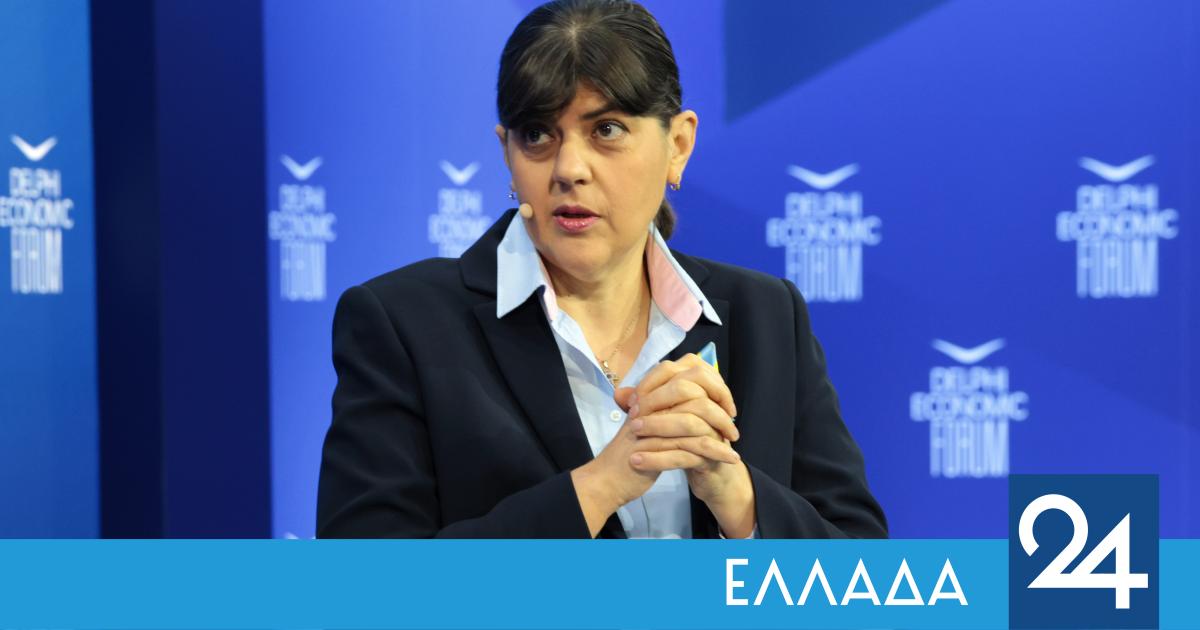
In the aftermath of the letter of the European Attorney General, Laura Covesi, to the European Commission, invoking the Regulation of Applicability and clear accusations of insufficient cooperation between Greece and the European Public Prosecutor’s Office (EPPO), the former Vice President of OPEKEPE and current Head of Unit at the National Coordination Authority of the NSRF, Dimitra Halikia, speaks of an “extremely serious institutional development”.
As she points out, “for the first time there is an attempt to directly link the functioning of the Greek justice system and the national criminal procedure with the risk of suspension of European funding to the country”
.
Dimitra Halikia also raises serious questions about both the functioning of the European Public Prosecutor’s Office in Greece and the institutional consistency of certain procedural manipulations in the case of OPEKEPE.
As reported, the Prosecutor of First Instance, Poppy Papandreou sent a file to the Parliament with reports of felony and misdemeanor offences, leading 11 MPs to immunity waiver proceedings and two former ministers one step before a preliminary investigation committee.
However, according to her, an extremely problematic institutional development followed: an expert opinion was subsequently requested in the case.
The expert opinion was assigned to Paraskevi Tycheropoulou, who – as Dimitra Halikia claims – was involved in the disputed periods of time, as:
– In 2021, she was Head of the Department of Unpaid Claims,
– While she subsequently assumed key positions of responsibility in the administrative structure of OPEKEPE.
Dimitra Halikia notes that this option raises serious issues of institutional neutrality and conflict of roles, as a person with administrative involvement in critical periods of the case is subsequently called upon to give an opinion on possible criminal liability relating to precisely those periods.
However, she insists that this is not the only major issue. As she points out, even under these circumstances, the expert testimony did not result in substantiation of the original felony attributions in the case file. “This is where the real institutional problem lies,” notes Dimitra Halikia.
In her view, a legitimate political and institutional question arises as to how it is possible to build such heavy public and political charges against a country when even the very expert opinions chosen after the fact cannot ultimately support the very crimes originally attributed.
As for Laura Covesi’s intervention on the renewal of the terms of office of the European Public Prosecutor’s Office (EPPO) in Greece, Dimitra Halikia argues that “the EPPO’s own rules do not adequately regulate this issue”.
As she points out, “in the context of the principle of subsidiarity and procedural autonomy, the Member States adopt national rules for the operation of the national offices of the EPPO”. He adds: “This is exactly what Greece has done.”
She appears highly critical of the lack of an official government response to the European Prosecutor General’s letter, noting that it essentially leaves the threat of a freeze on EU funds to the country hanging.
At the same time, it defends the operation of the Greek audit and prosecution authorities, pointing out that the Financial Prosecutor’s Office and the Internal Affairs Service have over time proceeded with audits, investigations, arrests and recoveries following complaints by OPEKEPE itself.
In conclusion, Demetra Halikia poses the following question: “Before Greece is threatened with Causality Regulations and funding freezes, should some people take a more serious look at what exactly is going on inside the European Public Prosecutor’s Office itself in Greece?”
Following is the full post by Dimitra Halikia
Laura Kövesi’s letter to the European Commission, invoking the Regulation on conditionality and claiming that Greece is not cooperating adequately with the European Public Prosecutor’s Office, is an extremely serious institutional development. Not only because it leaves open the possibility of sanctions against the country, but because for the FIRST time it attempts to directly link the functioning of the Greek justice system and national criminal procedure with the risk of suspension of European funding!
The prosecutor of the first instance, Ms Papandreou, has sent a file to Parliament with references to felony and misdemeanour offences, leading 11 MPs to immunity waiver proceedings and two former ministers one step before a preliminary investigation committee. So far, institutionally, everything is being judged and evaluated.
But then something happened that raises serious questions of institutional consistency and conflict of interest. Mrs. Prosecutor decided EXTRAORDINARILY to ask for expertise ! After the fact!
in 2021 as Head of the Department of Undue Payments,
and then as Director of Direct Payments and Rural Development at the same time.
This means that a person who had direct administrative involvement and responsibility in procedures related to the payments for the years 2021, 2022 and 2023 is being asked to give an ex-post opinion on possible criminal liability relating to these very periods!!!
And the result?
This therefore raises a perfectly legitimate political and institutional question for Ms Laura Kövesi:
Before you accuse a country of the rule of law, shouldn’t you first examine how the mechanisms of the European Public Prosecutor’s Office itself operate in Greece?
Does a basic check need to be done on conflict of interest, selection of experts and basic principles of criminal procedure?
Because when a case with such heavy allegations “blows up” through an expert report that carries such obvious issues of incompatibility, then the problem is not just political. It is deeply institutional.
Mrs Laura Kövesi is taking Greece to task for not complying with a decision by the College of EPPO on term renewals.
But there is a simple legal fact here: The EPRO’s own regulations do not adequately regulate this issue. Therefore, the Member States – in the context of the principle of subsidiarity and procedural autonomy – adopt national rules for the functioning of the national offices of the European Public Prosecutor.
.
This is exactly what Greece has done.
It is frankly surprising that there is no official reaction from the ND government to such a heavy and politically aggressive letter, which essentially leaves the threat of freezing European funds to the country hanging.
We are discussing a direct challenge to fundamental aspects of the national legal order and the functioning of Greek justice.
Finally put an end to the downward slide that you have allowed to develop for almost 1.5 years at the expense of our country by external actors whose confusion over the distinction of powers, responsibilities and roles has led to the international discrediting of Greece.
Say loud and clear that the country’s Financial Prosecutor’s Office and the Internal Affairs Service have done and are doing their job. Over time. With indictments, arrests, audits and refunds after complaints from the OPEKEPE itself.
.
And they continue to do it.
25 million in refunds in six months is no laughing matter. It is the result of real work.
In contrast, out of all the overblown communication “balloon” of the European Public Prosecutor’s Office, we have not seen a single spectacular revelation that ultimately stands up to the weight of the case itself.
In contrast, we have seen indictments with serious felony charges “dismantled” through expert witnesses trying to simultaneously:
and fail to fully expose the prosecution investigation,
and fail to fully support the original charges,
and to drop hints of “incomplete information” from the expert witness.
That is, an institutional “let go” that in the end cannot make fish meat no matter how much the original brief may wish it.
And here the major question arises:
How is it possible to set up political and institutional storms against a country when the very expert opinions chosen after the fact cannot support the very crimes that were assigned?
So before Greece is threatened with Causality Regulations and funding “freezes”, maybe some people should take a more serious look at what is going on inside the European Public Prosecutor’s Office itself in Greece;
Source: tomanifesto.gr