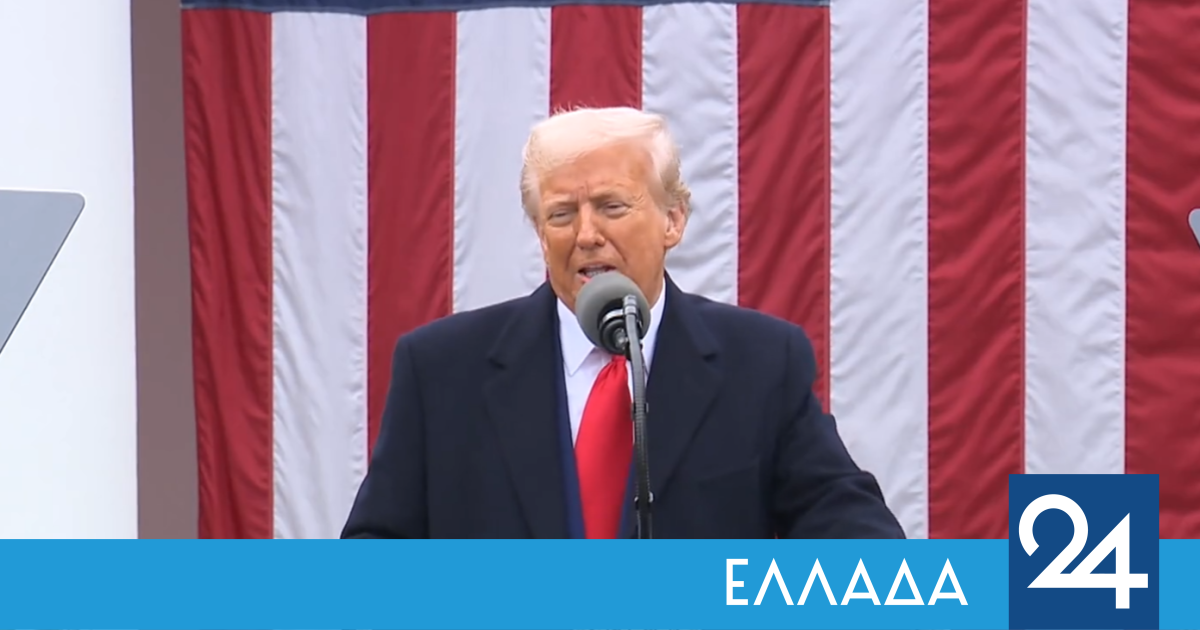
Calling it “great progress” despite no direct negotiations, US President Donald Trump announced yesterday (Tuesday) that he was suspending, for a “short” period of time, the “Freedom Plan”, as he christened a military operation to escort merchant ships that want to leave the Gulf by crossing the Strait of Hormuz, to allow time to see “whether an agreement can be finalised and signed” with Iran.
Given “the tremendous military success we have had” and “the great progress made toward a full and final agreement with Iranian representatives,” the Republican decided that “Project Liberty (….) will be suspended for a short period of time to see whether or not the agreement can be finalized and signed,” he said via his Truth Social platform.
He however clarified that the blockade on Iranian ports–imposed since April 13–was not lifted, noting that the “cessation” of the operation followed a “request from Pakistan and other countries.
The operation, by which Washington meant to allow hundreds of ships blockaded in the Gulf to cross the Strait of Hormuz, began on Monday.
US diplomatic chief Marco Rubio earlier assured that what he described as a “phase” of the US armed forces’ “offensive” against Iran has “ended”.
“The operation is over,” “we’ve passed this stage,” Mr Rubio told reporters at the White House, using its code name, “Epic Rage.”
However–at the same time–General Dan Kaine, the chief of the US National Defense Staff, warned that forces are “ready to resume major operations”.
President Trump also threatened Tehran in the wake of exchanges of fire at sea and attacks on the UAE attributed to Iran.
“They know what they have to do (…) and what they shouldn’t do,” the US president said, taking care to avoid accusing Iran of violating the ceasefire he declared on April 8.
Since the outbreak of the US-Israeli war against the Islamic Republic on February 28, the Strait of Hormuz has been controlled by the Iranian armed forces. This sea route is of strategic importance, as it is through it that a fifth of the hydrocarbons consumed globally are exported.
In Beijing
Iranian diplomatic chief Abbas Araghchi met today in the Chinese capital with his counterpart Wang Yi, with whom he was expected to discuss the Middle East war almost exclusively.
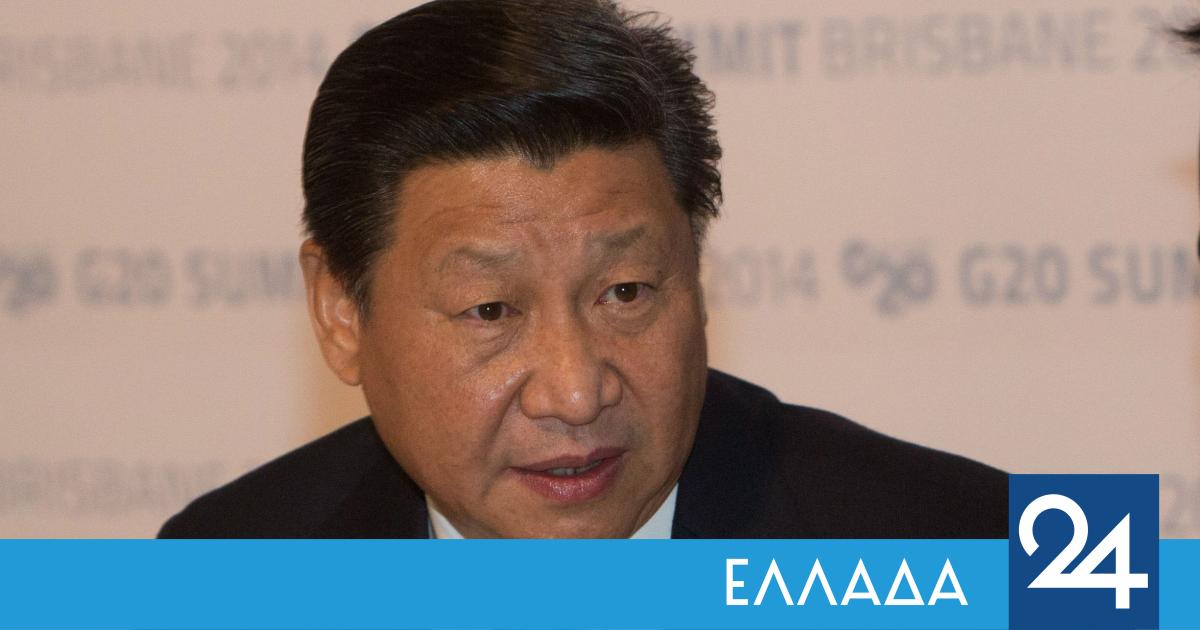
The Iranian foreign minister’s trip comes as U.S. President Donald Trump–on Thursday, May 14 and Friday, May 15–is approaching the horizon on a postponed official visit that he plans to make in a week or so for talks with his Chinese counterpart Xi Jinping to China, which is considered an ally of Tehran and is the country that imports the largest quantities of Iranian oil.
US Secretary of State Rubio commented that he expected China to pressure Iran to lift the de facto blockade of the Strait of Hormuz: “I hope the Chinese will say (sic.to Mr. Araghchi) what he needs to hear,” that “what you are doing in the strait is isolating you internationally,” he flew.
China is particularly affected by the paralysis of traffic in the Strait of Hormuz. More than half of all crude imports shipped by sea to Chinese ports originating in the Middle East pass through there, according to Kpler.
It is, after all, the main importer of Iranian oil. Over 80% of Iran’s crude exports were destined for China before the war, according to the same analyst firm.
On Monday, Iranian armed forces fired missiles and drones at U.S. warships — they were destroyed, according to the U.S. Joint Forces Command’s joint command responsible for the Middle East (CENTCOM, “Central Command”). They were also accused of attacking the United Arab Emirates in the same way for the first time since the armistice, a charge denied last night by a senior Iranian military official.
Iranian forces “have not conducted any missile or drone operations against the UAE in recent days,” a spokesman for their headquarters said.
Earlier, the UAE said it reactivated air defense systems yesterday to intercept missiles and unmanned aerial vehicles launched, according to the country’s authorities, by Iran.
The Revolutionary Guards, Iran’s ideological army, threatened that there would be a “strong” response if any ship did not comply with the rules imposed by Tehran in the strait.
The US cannot allow Iran “to block a path of international navigation,” US Secretary of War Pete Hegseth has countered.
In a statement, US diplomatic chief Rubio also noted that Washington would submit a draft resolution to the UN Security Council to “defend freedom of navigation and restore security in the Strait of Hormuz”.
The draft Security Council resolution, drafted in cooperation with Bahrain, Saudi Arabia, the UAE, Kuwait and Qatar, “demands” that Iran immediately “cease” “attacks,” “mine laying” and any “end to transit” in the strait, according to the US Secretary of State.
“Ready for dialogue”
Iranian Parliament Speaker Mohammad Bayr Galibaf, for his part, accused the US and its allies of “endangering” maritime security.
CENTCOM has assured, despite Iranian denials, that two US-flagged merchant ships crossed the strait with a military escort the day before yesterday, Monday.
Danish-based transport giant Maersk also said on Monday that one of its ships crossed the strait “escorted by US military assets” after remaining blockaded in the Gulf since the start of the war.
Efforts to resume direct US-Iran talks are going nowhere at this stage, after their first meeting of delegations in Islamabad on April 11, which was fruitless.
Iran’s President Massoud Pezzekian assured yesterday that his country is ready for “dialogue” on “any” issue. But “it has not capitulated and will never capitulate,” he added.