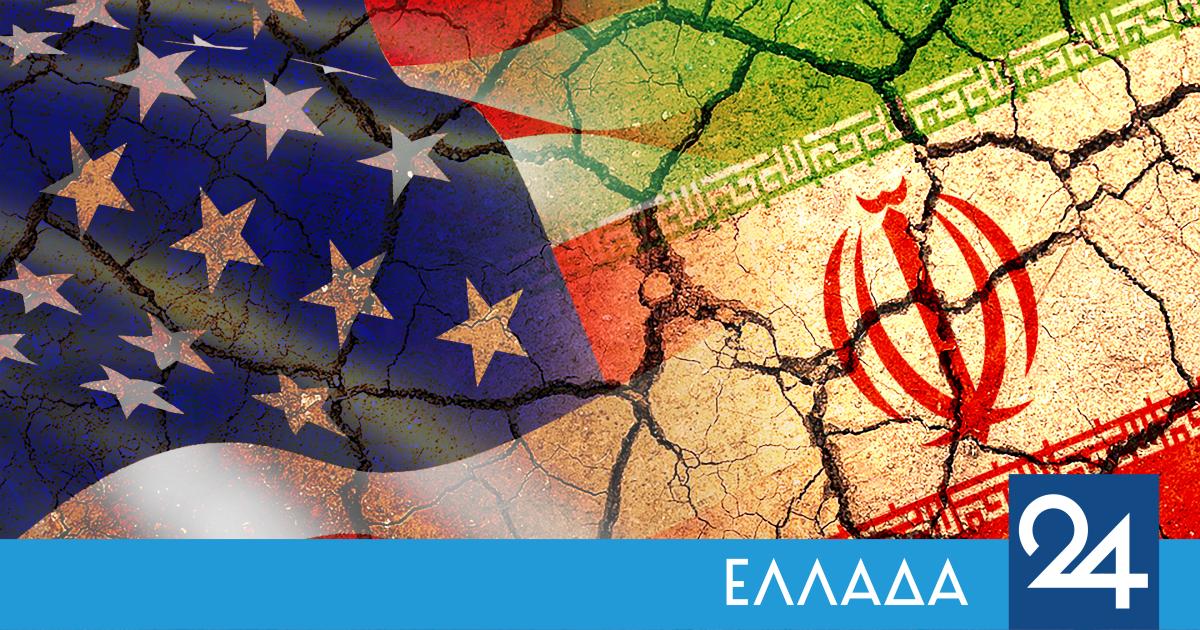
Efforts to end the war in the Middle East appeared to remain at an absolute stalemate yesterday (Tuesday), with the US skeptical of Iran’s new proposal to open the Strait of Hormuz, under a dual, Iranian and US blockade that has paralyzed ship traffic.
The restoration of free navigation in this strait, strategically important for oil and gas trade, has become a major stake in the run-up to the resolution of the armed conflict that erupted with the sweeping US and Israeli aerial bombing of Iran on 28 February.
While a ceasefire has been in place for the past three weeks, the strait remains de facto locked down by Tehran. Washington, for its part, continues its blockade of Iranian ports and negotiations between the two sides appear to be making note.
“We do not consider the war to be over,” Iranian state television quoted Iranian army spokesman Amir Akraminiya as saying.
“Heavy pressure”
The latest proposal reportedly made by Tehran to end the standoff was discussed in Washington by US President Donald Trump and his key security advisers.
US officials did not deny reports from CNN and the Wall Street Journal that the US president hinted in a meeting on Monday that there is almost no chance he would accept the Iranian proposal.
Tehran has demanded that Washington renounce its “illegal and unreasonable demands”, saying the US is “no longer in a position to dictate policies to independent nations”.
According to a report by the US website Axios–notably reported by IRNA–Iran’s proposal is to open the strait, end the war, and only then negotiate the Islamic Republic’s nuclear energy program.
The Iranian parliament is preparing a law that would put the armed forces in charge of the strait, prohibiting the passage of ships from Israel, or its affiliates, and imposing transit fees payable in Iranian rials.
“We cannot tolerate the Iranians trying to create a system in which they decide who can use an international sea route and how much they have to pay to use it,” U.S. diplomatic chief Marco Rubio told Fox News.
As the US-based Soufan think of it, “Iranian leaders believe that rising global oil prices and impending global oil by-product shortages (….) will put President Trump under great pressure to accept a resolution to the conflict that is far from his demand for ‘unconditional surrender’.”
On the other hand, “Trump and his team seem to be counting–wisely, according to many experts–on the fact that the U.S. blockade of Iranian ports will push regime leaders to accept core U.S. demands,” the center adds.
Donald Trump lashed out at German Chancellor Friedrich Murch yesterday, accusing him via Truth Social of “not knowing what he’s talking about” when referring to Iran.
The US military said yesterday that its men had conducted a search, then released a merchant ship into the Arabian Sea because there were suspicions it was trying to break the US blockade.
Since the blockade of Iranian ports was imposed on April 13d, 39 ships have been forced to recall sterns, according to the same source.
The paralysis of the strait, with no prospect of it reopening immediately, has heavy consequences for the global economy. The price of a barrel of North Sea Brent oil closed above $111 yesterday.
“Frozen Conflict”
Facing a diplomatic stalemate, Qatar warned yesterday against the possibility of a “frozen conflict” in the Gulf.
Meanwhile, the Gulf Cooperation Council (GCC), a regional body led by Saudi Arabia, once again condemned Iran’s “blatant attacks” on its members, demanding Tehran make “serious efforts to rebuild trust”.
The war has claimed the lives of thousands of people, the vast majority of them in Iran and Lebanon.
The first day’s bombing of a school in Minab, southern Iran–one of the worst tragedies of this armed conflict–killed 155 people, including 120 children, not 175 as authorities in Tehran have so far said, according to a newest, downwardly revised account broadcast yesterday by state-run IRIB television.
In the other main theater of the war, in Lebanon, Israel, which is conducting operations against the Shiite movement Hezbollah, launched a series of bombings, killing at least eight people, including three civil defense personnel, and wounding two Lebanese army men, according to authorities in Beirut.
Israeli Foreign Minister Gideon Saar also assured that his country has absolutely “no territorial ambitions” in southern Lebanon, where his country’s army has deployed several units, despite the ceasefire that the two sides accuse each other of violating.