Delegations from Israel and Lebanon are expected to hold a new, second round of ambassador-level talks in Washington today, under the auspices of the US, with Beirut seeking to secure an extension of the fragile ceasefire, in place since April 17day.
Israeli diplomacy assured before these talks that it has no “serious disagreements” with the Lebanese government, urging the latter to opt for bilateral “cooperation” against Hezbollah, a Shiite group affiliated with Iran.
Hezbollah is the great absentee from the negotiations, which it rejects.
The two countries–which remain in a formal state of war–had talks in Washington on April 1414, the first since 1993, as part of an effort to end the war Lebanon was drawn into on March 22 when Hezbollah fired missiles at Israel.
The USthen announced a 10-day ceasefire in this war, which has claimed the lives of nearly 2.500 people and has forced the displacement of over a million people on the Lebanese side.
As in the first meeting, U.S. Secretary of State Marco Rubio will coordinate talks between Israel’s ambassadors in Washington, Yehiel Leiter and Lebanon’s Nanda Hamadeh Mowaad. In addition to the Lebanese ambassador, the American ambassador to Lebanon, Michel Issa, will also be present. According to a French News Agency source at the State Department, this time the US ambassador to Israel, Mike Huckabee, is also planned to attend.
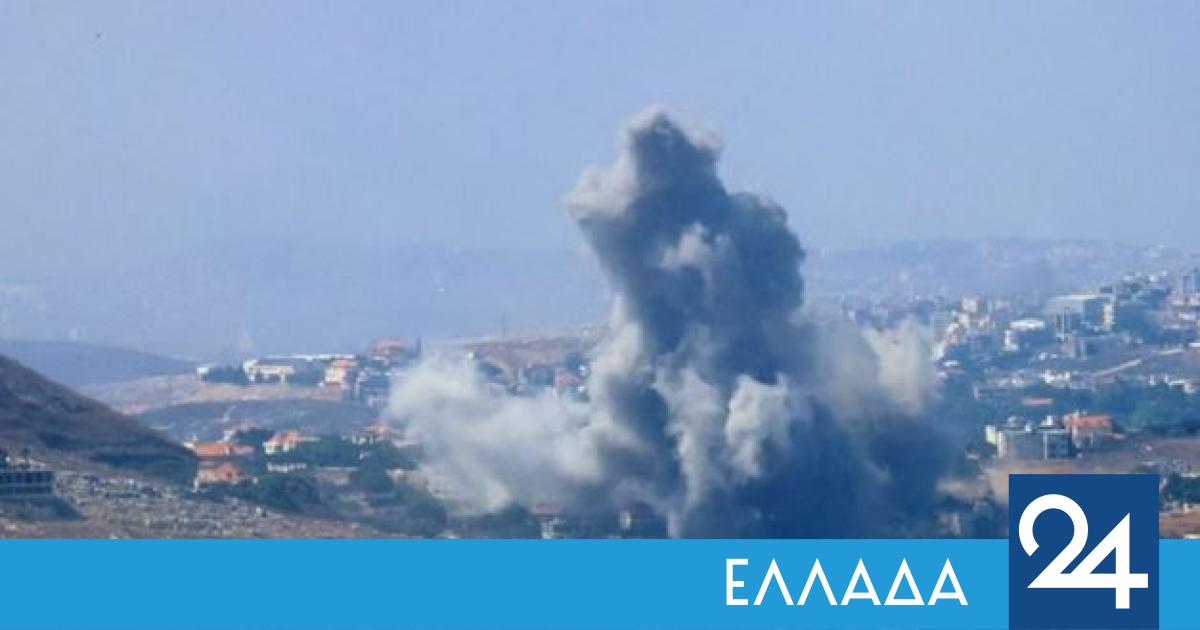
The meeting is expected to take place as the Israeli army continues its bombardment of Lebanon. Yesterday, journalist Amal Khalil was killed in the At Tiri community in the south and photojournalist Zainab Faraz was wounded, according to the medium for which she worked, the Al Ahbar newspaper, and a statementfrom the non-governmental organization Committee to Protect Journalists (CPJ).
.
The official Lebanese news agency ANI said at least four more were killed in Israeli operations during the day.
“Only a barrier”
In Washington, “Lebanon will call for a one-month extension of the ceasefire, strict observance of the ceasefire and an Israeli suspension of operations (….) destruction (of homes, other buildings, infrastructure) in the areas where it has a presence,” a source in the French News Agency told the Lebanese government.
“Contacts are underway to extend the ceasefire,” Lebanese President Joseph Aoun said. He said the aim of future negotiations is “to completely end Israeli attacks” and to have “Israel’s withdrawal” from the country’s territory.
The two countries agreed, after the first round of talks, to begin direct negotiations with a view to restoring a lasting peace at a time and place to be determined.
The Lebanese Government has appointed Simon Karam, an experienced diplomat, to lead a delegation to these negotiations.
Israeli Foreign Minister Gideon Saar assured that his government has no “serious disagreements” with that of Lebanon.
“There is only one obstacle to peace and normalization (of relations) between the two countries: Hezbollah,” he added, calling on the Lebanese government to “cooperate against the terrorist state that Hezbollah has built on your territory.”
The Israeli army has entered Lebanese territory and announced that it has created a “yellow line” of separation in the south, just like in the Gaza Strip, to protect the population of northern Israel, he says.
Hezbollah, for its part, claimed responsibility for an attack the day before yesterday, Tuesday, in this area, in retaliation for “flagrant” Israeli violations of the ceasefire for the first time since it came into effect.
Yesterday the Israeli army announced that it had killed two “terrorists” who had “crossed the advanced defense line and approached its soldiers” the previous day.
Speaking of the terms of the ceasefire, Israel claims that it has the right to act against “planned, imminent or ongoing” attacks on Lebanese territory.
The ceasefire in Lebanon was demanded by Tehran, describing its implementation as one of the necessary conditions to resume talks with Washington ahead of the end of the war launched by the US and Israel against the Islamic Republic on February 28February 28.
The Lebanese President stressed that future negotiations would be “separate” from the talks between the US and Iran.
Donald Trump announced on Tuesday that he was extending until further notice the ceasefire with Iran, in effect since April 8th, against the backdrop of heightened tensions in the Strait of Hormuz and the ongoing U.S. blockade of Iranian ports.
On the diplomatic front, however, the situation remains confusing–no negotiations have resumed, as they were supposed to earlier this week, in Islamabad between Washington and Tehran.