The European Commission has unveiled the “AccelerateEU” plan, a package of immediate and long-term measures to protect households and businesses from the energy crisis and soaring prices, and to accelerate the transition to clean energy.
The Commission says that for the second time in less than five years, Europeans are paying the price of dependence on imported fossil fuels. In the first 50 days of the Middle East conflict, the EU has spent an extra €24 billion on fossil fuel imports due to higher prices.
The Commission stresses that “the EU’s energy security is not currently at risk”, but the price volatility caused by dependence on imported fossil fuels requires immediate relief for citizens. AccelerateEU is the Commission’s toolkit to provide immediate relief to the most vulnerable European households, industries and businesses from rising energy costs.
In particular, the Commission proposes the following actions:
First, the Commission emphasises better coordination between Member States, in particular in the management of gas and oil stocks, the filling of storage and, only if necessary, the release of strategic stocks.
Second, a new “Fuel Observatory” is being created to monitor production, imports, exports and stocks, with the aim of preventing shortages in time, in particular of transport fuels such as diesel and kerosene.
Third, to support citizens and businesses, targeted and temporary measures are proposed, such as income subsidies, energy vouchers and electricity tax cuts for the most vulnerable households. At the same time, a more flexible state aid framework is introduced to allow Member States to support the sectors most affected.
In the longer term, the AccelerateEU plan aims to accelerate the transition to clean energy. By the summer, the Commission will present an Electrification Plan (i.e. the transition to electricity from clean energy sources) with ambitious targets and interventions for industry, transport and buildings, with a particular focus on the development of sustainable fuels for aviation.
In parallel, the strengthening of energy grids to support increased electricity use is being promoted, as well as the faster deployment of renewable sources through upgrading existing infrastructure, such as wind farms and hydroelectric projects.
On the financial side to boost investment, the Commission points out that resources are already available, such as the €219 billion of the Recovery Fund and cohesion funds. However, it recognises that the needs are much greater, with investments of €660 billion per year needed up to 2030. For this reason, there is also an emphasis on mobilising private capital, with the new clean energy investment strategy.
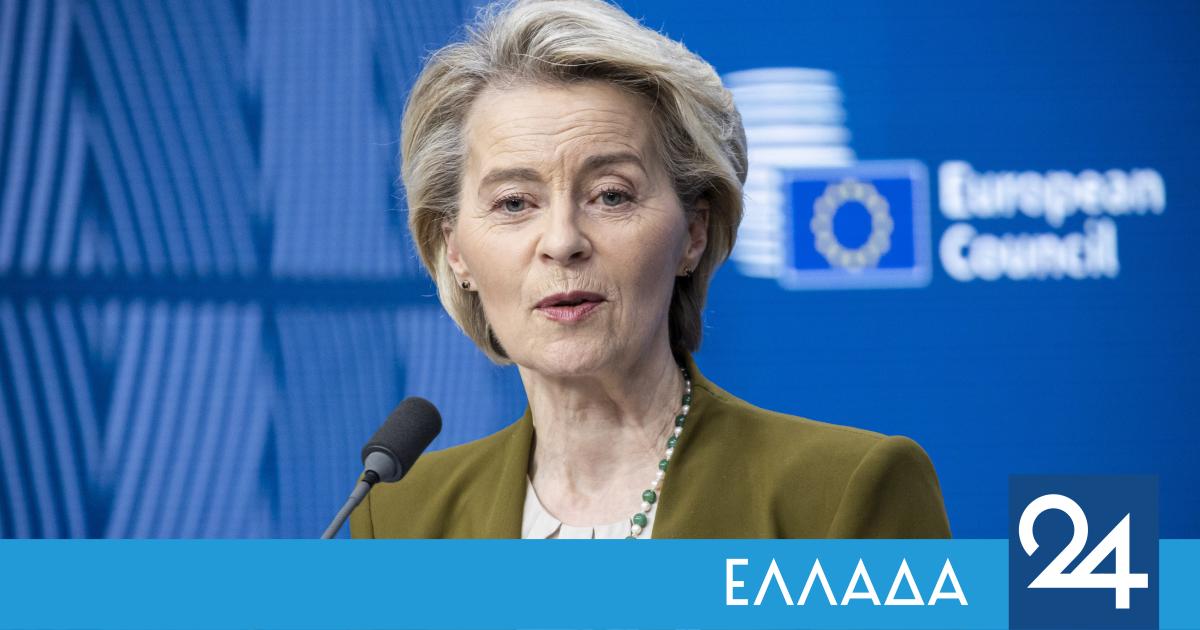
Commission President Ursula von der Leyen said: “The choices we make today will shape our ability to face today’s challenges and tomorrow’s crises. Our AccelerateEU strategy will bring both immediate and more structural relief to European citizens and businesses. We need to accelerate the transition to domestic, clean energies. This will give us energy independence and security and means we are better placed to weather geopolitical storms.”