The governments of the United States and Iran unleashed threats against each other yesterday, Monday, on the eve of the end of a two-week ceasefire they declared, as uncertainty continues to surround the possible resumption of negotiations between them in the Pakistani capital.
A source familiar with the matter in Washington assured the French News Agency that a US delegation will leave “soon” to hold talks with representatives of the Islamic Republic; it did not give a specific date.
No official information was circulating in Washington about the possible talks late last night, with the end of the ceasefire from the 8th April between the two states, sworn enemies, after more than a year of war that set the Middle East ablaze and shook the global economy.
The ultimatum expires “Wednesday night Washington time” Declared Donald Trump to the news agencyBloomberg, calling an extension of the truce “very unlikely.” It will end, in theory, on Wednesday night into Thursday Tehran time.
“We refuse to negotiate under threat and, over the last two weeks, we have prepared ourselves to reveal new cards on the battlefield”, the speaker of the Iranian parliament, Mohammad Bayr Galibaf, via X.
Iran has “at this stage” not planned anything “for the next round of negotiations”, “no decision has been taken on this issue”, Foreign Ministry spokesman Esmail Bagaei told reporters in Tehran earlier, expressing his government’s doubts about Washington’s “seriousness”.
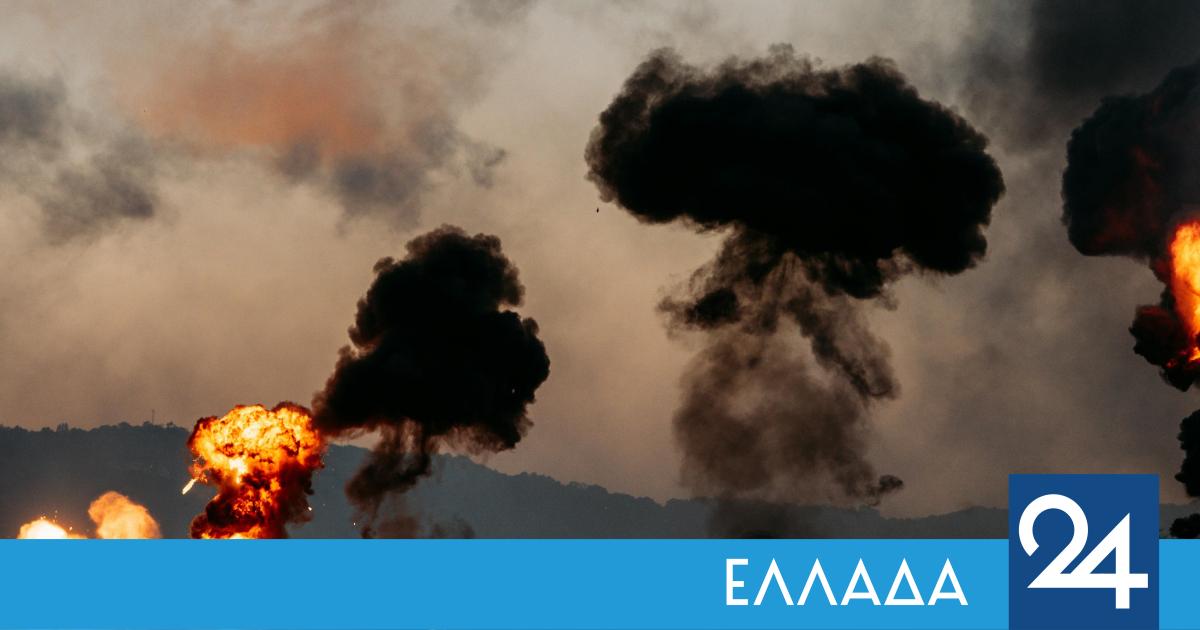
If US demands are not met before the ceasefire expires, “a lot of bombs will start exploding” Donald Trump, inPBS this time, after earlier this month asserting that “an entire civilization” would be wiped out in Iran.
The US President insists that the blockade of Iranian ports will continue “as long as there is no ‘deal'”, such as set through Truth Social, asserting that Iran has foregone revenues of “$500 million a day”, an amount it “cannot afford”, not even “in the short term”.
“At least 26 ships of the Iranian shadow fleet bypassed the blockade of US” after it was imposed last week, Lloyd’s‘s List Intelligence.
“There is no light”
In Tehran, where the main airports reopened yesterday for the first time in weeks, life seemed to have returned to a normal rhythm, among crowded cafes, sportsmen and strollers in parks.
But many expressed fatalism and exhaustion. “No matter what happens, the Iranian people will lose,” said one biologist, who spoke on condition of anonymity for her safety.
Sagar, 39, sees “horrific” tableau taking shape in the country, which counts thousands dead and maimed in the bombing US and Israel as of 28 February 28.
“There is no light at the end of the tunnel. The economic situation is terrible. They (the authorities) are arresting people for nothing. The executions are multiplying. As is the bad news,” he enumerated.
Oil prices are down slightly today, after rising again the day before, due to renewed tensions over the Strait of Hormuz, a sea route of strategic importance for global hydrocarbon supply.
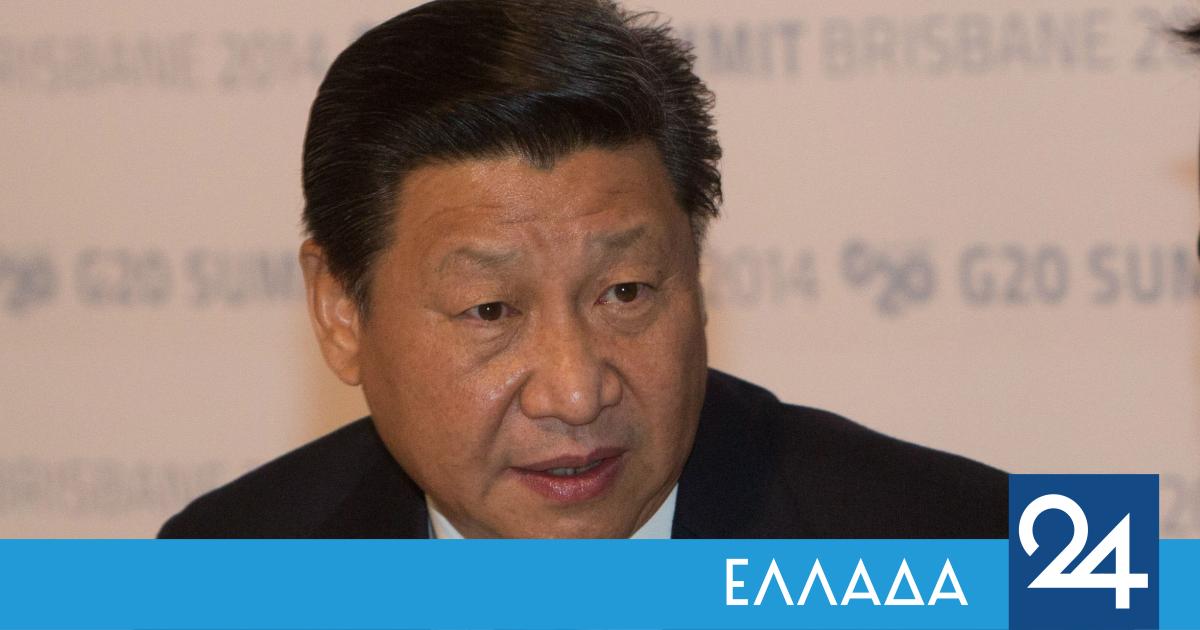
It must “remain open”, Chinese President Xi Jinping stressed during a telephone conversation with Saudi Crown Prince Mohammed bin Salman.
New Israel-Lebanon talks
Faced with the continuation of the US blockade, Iran announced on Saturday that it was reasserting “strict control” over the strait, reversing its previous decision to open it.
Furthermore, Tehran asserted that it will “soon retaliate” for the capture by the US armed forces of the Iranian-flagged cargo ship Touska in the Gulf of Oman the day before yesterday, Sunday.
“We will probably not move towards an agreement. Each side is imposing a blockade in different locations, the Iranians in the bend of the strait, the US in the Gulf of Oman and the exit,” researcher Pierre Raju summed up to AFP.
U.S. Vice President J.D. Vance is expected to lead the U.S. delegation again, as he did on April 11 in Islamabad, in the first talks of this level in decades.
Beyond Hormuz, the rift between the two sides also remains unbridgeable over the Islamic Republic’s nuclear energy program. According to US President Trump, Iran has “agreed” to hand over to the US the quantities of highly enriched uranium it possesses.
The Islamic Republic denied it again yesterday.
Tehran, which has denied for decades that it has any intention of acquiring a nuclear arsenal, stresses that it is its sovereign right to have a civilian nuclear power programme.
On the other front of the war, Lebanon, talks between the Israeli and Lebanese governments are expected to be held the day after Thursday in Washington, a US diplomatic spokesman confirmed yesterday. Like the first meeting, on April 14, they will be held at the ambassadorial level.
A fragile cease-fire between Israel’s army and the Iranian-affiliated Shiite movement Hezbollah went into effect Friday. The parties have accused each other of violating it since day one.
The fifteen member states of the UN Security Council yesterday condemned the attack that resulted in the death two days earlier of a French non-commissioned officer serving with the Lebanese cyanocracies force in Lebanon and the injury of three other members of the mission, demanding that the perpetrators “be brought to justice without delay”.
French President Emmanuel Macron blames Hezbollah for the attack.
The Lebanese health ministry’s most recent report claims 2.387 dead in the six weeks of the war