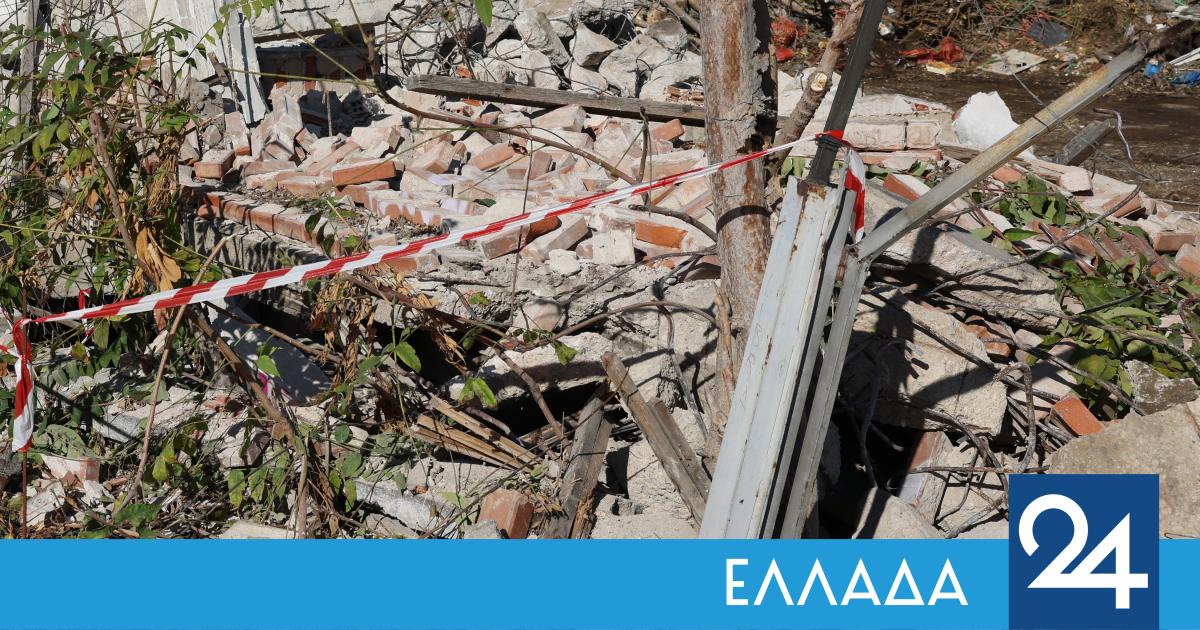
The Israeli army, which was given an explicit order to use “all its force” in case of any “threat” despite a ceasefire with Hezbollah, a Shiite movement affiliated to Iran, demolished several more houses in southern Lebanon yesterday Sunday, Lebanese official media reported.
“Prime Minister Benjamin Netanyahu and I ordered the (Israeli) armed forces to act with all their might, on the ground and in the skies, not excluding (the implementation period) of the ceasefire, to protect our soldiers in Lebanon against any threat,” Defense Minister Israel Kats said.
He also added that the army has been ordered to demolish any structure and destroy any road if it is “booby-trapped” with explosives and a threat is raised against its members.
The aim is “to destroy homes in villages near the border that are being used, in all respects, as outposts of Hezbollah terrorists and threaten Israeli communities.”
The Israeli army said it killed an “armed terrorist” who “violated” the ceasefire by “approaching” soldiers and posing an “immediate threat”.
“Done”
Israel “continues to destroy what remains of homes in the town of Bid Jbail,” ANI, Lebanon’s national news agency, said.
About five kilometres from the border, this community became the scene of fierce fighting between the Israeli army and Hezbollah before the ceasefire, which came into effect on Friday.
Similar clearing operations and destruction of houses using explosives took place in several other communities, ANI added, adding that in one case “artillery fire” was fired from the Israeli side.
They are all behind the “yellow line”, which defines where the Israeli army positions are, as in the Gaza Strip.
He released a map showing the “line of advance defence” and an area marked in red along the border where he says his elements are operating to destroy Hezbollah facilities and “prevent imminent threats” against populations in northern Israel.
Turkey has accused Israel of seeking to create “deadlock” in Lebanon and denounced, through its diplomatic chief Hakan Fidan, Israeli “expansionism.”
Lebanon was dragged into the Middle East war on March 2, when Hezbollah launched missiles against Israel in support of Iran amid a US-Israeli wide-scale attack on the Islamic Republic.
Lebanon was dragged into the Middle East war on March 2.
Israel retaliated by launching massive aerial bombardments, resulting in the deaths of more than 2,000 people and the forced displacement of more than a million civilians — one-fifth of the population — according to UN estimates, and moving to invade the south.
Roads and bridges
Lebanon’s Prime Minister Nawaf Salam is expected in Paris tomorrow, a visit that will follow the death on Saturday of a French cyanide soldier in an ambush blamed on Hezbollah — which has denied it was its own action.
Denouncing the “unacceptable attack”, French President Emmanuel Macron said Paris demanded “the immediate arrest of the perpetrators”, noting that “everything” pointed to “Hezbollah” being responsible.
A ceremony was organised at Beirut airport ahead of the repatriation of fallen sergeant-major Florian Montorio.
He was posthumously awarded “UN and Lebanese army medals in recognition of his dedicated service to peace in southern Lebanon,” a statement from FINUL (the United Nations Interim Force in Lebanon) said.
Although the situation remains very volatile in the country, the Lebanese army has taken advantage of the cessation of hostilities to repair bridges that were damaged. It announced that it had reopened roads and restored bridges that were previously impassable due to Israeli strikes.
Israeli air force strikes on bridges connecting the two banks of the Litani River, some thirty kilometres from the border, nearly cut off southern Lebanon from the southern part of the country.
Although many forcibly displaced people have rushed back to their homes, many are now reluctant to stay permanently, given the fragility of the ceasefire that suspended the war that has been raging since March 2.
In the village of Debin, a man surveyed the damage to his home while others searched for their belongings in the rubble of collapsed buildings, an AFP correspondent found.
Farther south, some Sriffa residents were beginning to unload their belongings — their mattresses, laundry…– but others had simply gone to pick up personal belongings before leaving again.
</html