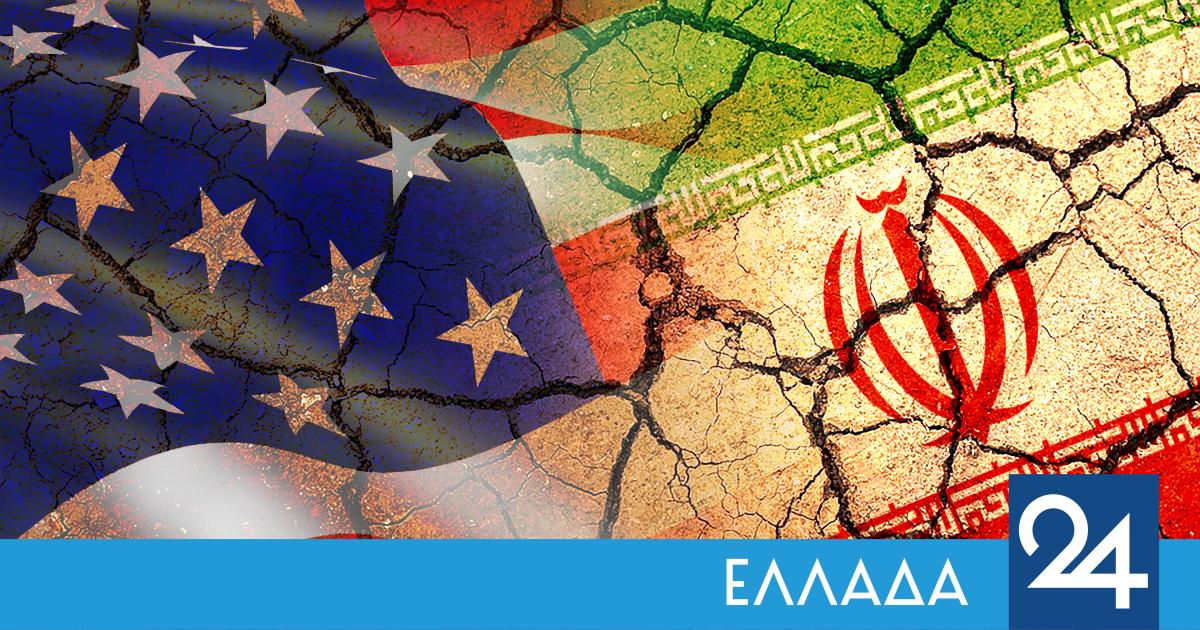
Senior Iranian and US officials began negotiations in Islamabad today in an attempt to end the six-week war that has caused severe turmoil in the global economy.
The White House announced that trilateral, direct talks are underway – a break from recent practice, as Washington and Tehran have been talking only through mediators, with their delegations in separate rooms.
A senior White House official said there were “full teams” of US experts in Pakistan in the areas under discussion while other experts were “supporting” the talks from Washington. The US delegation consists of Vice President J.D. Vance and special envoys Steve Whitcoff and Jared Kushner.
The Iranian news agencies Fars and Tasnim did not clarify either the agenda or the format (indirect or direct) of the talks.
Shortly earlier, Pakistani Prime Minister Sebaz Sharif said he met Vance at noon and also held talks, at the Serena Hotel, with the Iranian delegation, led by Parliament Speaker Mohammad Bayr Galibaf. Iranian Foreign Minister Abbas Araghchi is also present in Islamabad. Hailing “the commitment of the two delegations to engage in constructive dialogue,” the Pakistani prime minister “expressed hope that the talks would lead to a lasting peace.”
The gap seems to remain wide between the two countries, particularly on issues such as sanctions against Iran, Lebanon – where Israël continues its war against the pro-Iranian Hezbollah – and the opening of the Strait of Hormuz, through which a fifth of the world’s oil and gas production passes.
The Fars and Tasnim agencies, however, reported that “progress” had been made as the US agreed to unfreeze Iranian funds, a claim denied by Washington.
Pakistan has set up a team of experts to contribute to the talks on issues such as navigation, nuclear and others, a diplomatic source told Agence France-Presse. He added that today’s “rendezvous” was being closely monitored by other contributors to the diplomatic efforts, including Egypt, Turkey and China, with whom Pakistan continues to coordinate its actions.
In Iran, where authorities are imposing restrictions on internet access, some residents expressed doubts about the outcome of the talks. “We shouldn’t take Trump seriously. First he wants to wipe a civilization off the map and then, 12 hours later, he implements a ceasefire that is based on nothing,” summed up one 30-year-old man, who asked not to be identified.
On Friday, the US president assessed that Tehran “has “no cards” in its hand to negotiate and that Hormuz “will automatically open” because without the ship transits Iran “makes no money”.
Since the ceasefire went into effect, Tehran and Washington have been at odds over the Lebanon issue, namely whether or not to include it in a peace deal. Israel says it is determined to continue the war against Hezbollah.
On Wednesday, Israel launched its deadliest strikes to date in Lebanon, killing at least 357 people in one day, according to the latest Health Ministry report.
Today, Israeli strikes in southern Lebanon killed 10 people, according to the same source.
The Lebanese President said that talks between Lebanon and Israel will be held in Washington on Tuesday, although Hezbollah has already rejected them.