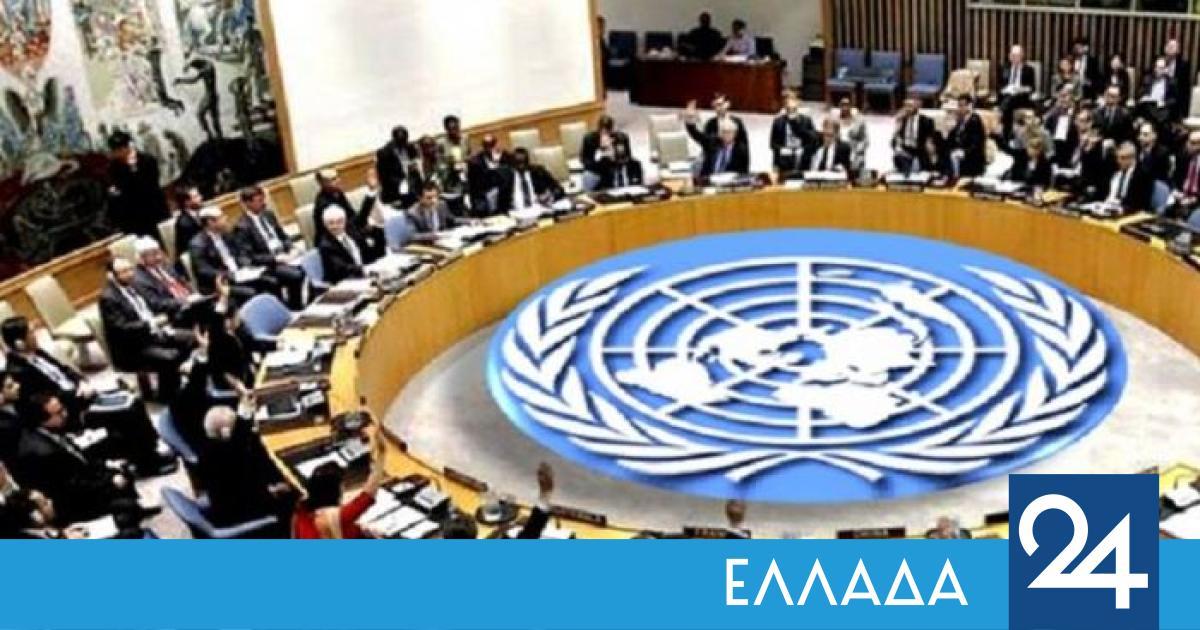
The Permanent Representative of Greece to the United Nations, A. Balta, told the Security Council that Greece voted in favour of Bahrain’s draft resolution “reiterating its strong solidarity with the Gulf countries” and “reaffirming the importance of safeguarding freedom of navigation and maritime security in the Straits of Hormuz.”
He also thanked Bahrain for its “tireless efforts” in drafting the text, while at the same time expressing regret that “its adoption was not possible today”.
“One of the most critical sea lanes and a vital artery for global trade”
He said the Strait of Hormuz is “one of the most critical sea lanes and a vital artery for global trade and energy supply”, stressing that any disruption to its normal functioning has “immediate and far-reaching consequences for international peace and security”. He said that “freedom of navigation constitutes a public good.”
He reiterated that Greece has “repeatedly condemned Iran’s illegal and unprovoked attacks against countries in the Gulf region and elsewhere”, noting that “any actions by Iran that endanger the unimpeded passage of merchant ships through the Strait of Hormuz must be stopped immediately”.
He also stressed that Greece remains “firmly committed to the promotion of maritime security and freedom of navigation in accordance with international law”, as reflected in the United Nations Convention on the Law of the Sea (UNCLOS).
.
In the same context, he explained that the Greek vote in favour of the plan was aimed at “encouraging the coordination of defence efforts to ensure safe and unhindered maritime traffic through the Straits of Hormuz” and “contributing to the stability of global energy markets”.
“All ships should enjoy the right of passage through the Strait of Hormuz in accordance with international law,” noting that UNCLOS is “rightly recognised as the constitution of the seas and codifies customary international law binding on all states.”
He concluded by saying that “a de-escalation of hostilities remains of the utmost importance”, both for the overall conflict and for the situation in the Strait of Hormuz, calling on all parties to show “maximum restraint”, prevent “further violence” and work urgently to reopen “credible channels of dialogue”.
The goal, he said, must remain “a return to the negotiating table with a prospect of a peaceful settlement in accordance with international law and the United Nations Charter.”
</html