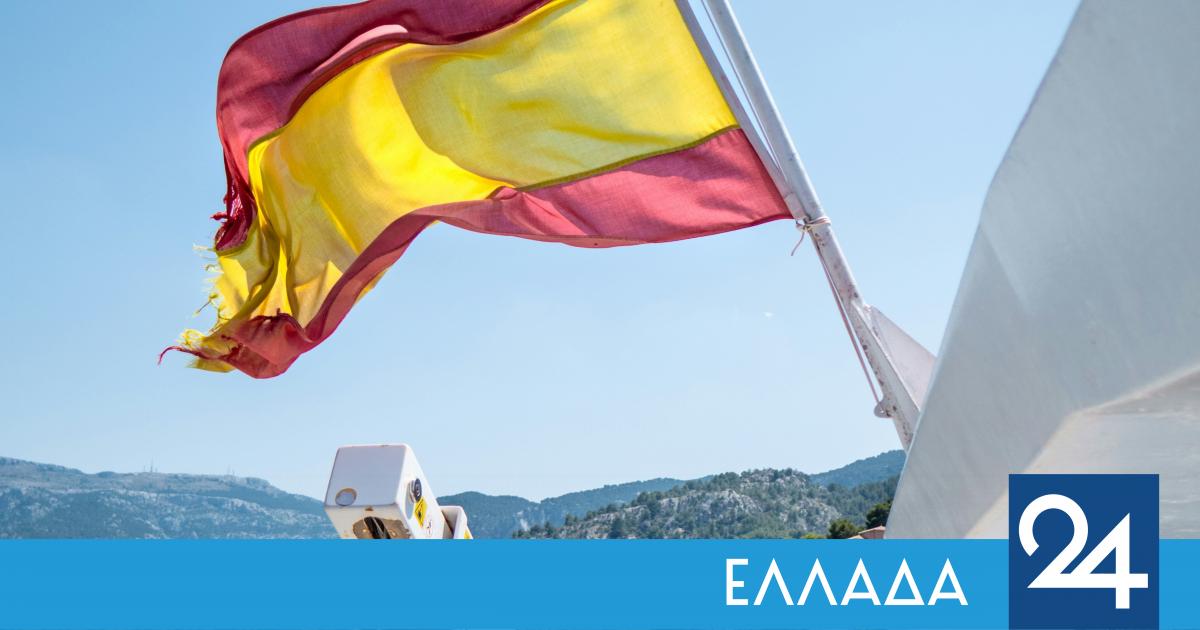
The Spanish parliament today approved a €5 billion package of measures aimed at mitigating the effects of the war in the Middle East, mainly thanks to a drastic reduction in energy taxes.
The government’s plan was voted for by 175 MPs, 33 voted against and 141 chose to abstain.
This emergency package aims to limit the scope of the impact of the Middle East conflict and make it “a little more bearable” for Spaniards, socialist Prime Minister Pedro Sanchez said when presenting the plan last Friday.
Among the measures announced was a cut in VAT on fuel from 21% to 10%. Sanchez explained that the move would lead to a reduction of up to €0.30 in the price at the pump, which translates into savings of around €20 for filling up the tank of a mid-size car.
In Spain, the price of 95-octane unleaded rose from €1.48 per litre on 28 October – when the US-Israeli attacks on Iran began – to €1.80 per litre last weekend, before falling back to €1.57 per litre on Wednesday following the government’s announcements.
In an extraordinary cabinet meeting, Pedro Sanchez also announced a 60% cut in electricity taxes, mainly through the suspension of the tax on electricity production.
Committed to imposing a “cap on the selling price of butane and propane”, a subsidy of €0.20/litre for “transporters, farmers, stockbreeders and fishermen” who have been hit hard by the rise in fuel prices, and a subsidy for the purchase of fertilisers.
Sanchez has strongly opposed the military operations the US and Israel are conducting against Iran, denouncing this “illegal intervention”. Because of the war’s impact, Madrid’s government fears a slowdown in Spain’s economy, the fourth largest in the eurozone and one of the most dynamic in all of Europe.