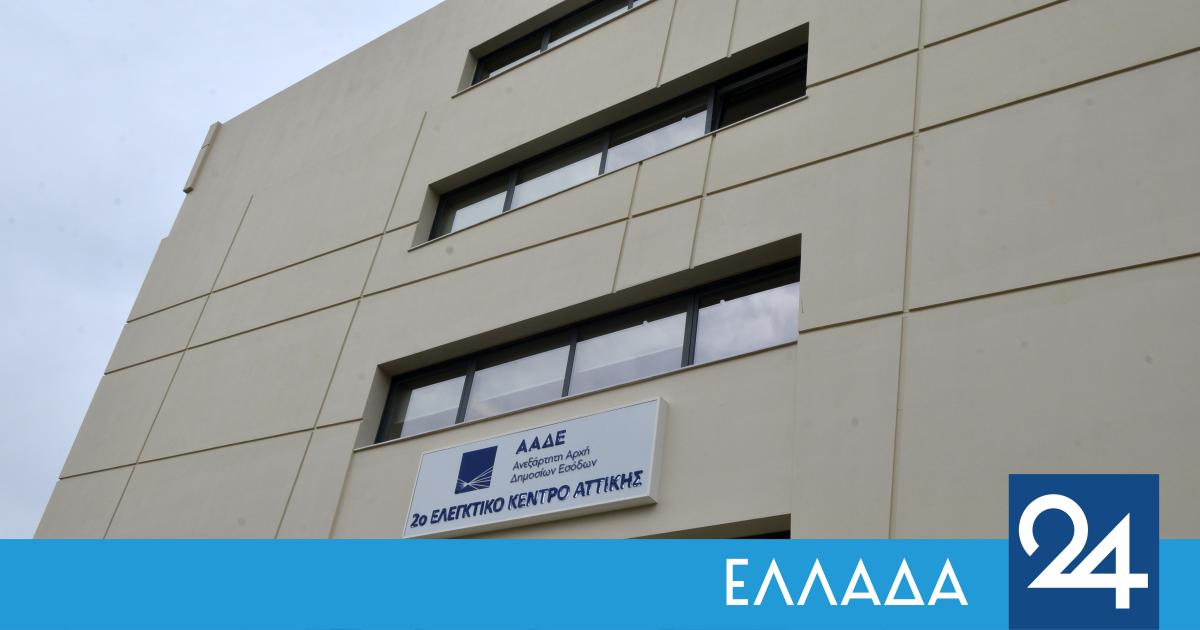
A multi-member and well-organized network of companies – vitrines, which systematically channeled smuggled fuel into the market, was brought to light by the auditors of the Hellenic Anti-Defamation Service.
According to a statement issued by the Independent Public Revenue Authority, after a month-long and thorough investigation that exceeded one year, the auditors, using information from the Coordinating Operational Centre (CEC), proceeded to a targeted audit of a petroleum products trading company, unraveling the thread of the extensive fraud.
The modus operandi of the ring
The investigation revealed a highly complex mechanism of illegal activity, with the following characteristics:
1. Supply without supporting documents
Initially, three service companies in the Aspropyrgos area, while not having tax documents of purchase, appeared to issue fictitious invoices for the sale of fuel to two service companies in the circuit, also in Aspropyrgos.
2. Legal disposal
These two companies, in turn, issued fictitious sales invoices.
3. Defrauding buyers
The Thessaly-based petroleum products trading company displayed sales with tax documents and delivered fuel through a transport company to unsuspecting industrial enterprises throughout Greece (indicatively Attica, Thessaly, Ioannina, Crete).
The industrial enterprises were unknowingly supplying fuel which was being smuggled
Financial loss and penalties
The ring managed, through fictitious transactions, to place €9 million worth of fuel on the domestic market.
This action caused direct financial damage to the State, as it avoided the payment of customs duties and taxes amounting to €2.7 million.
14 natural persons were referred to the Public Prosecutor’s Office as perpetrators and accomplices of the smuggling offence. A procedure to freeze their bank accounts has already begun, while investigations are continuing to identify other offences related to the case.